What roof tilers in Melbourne actually do
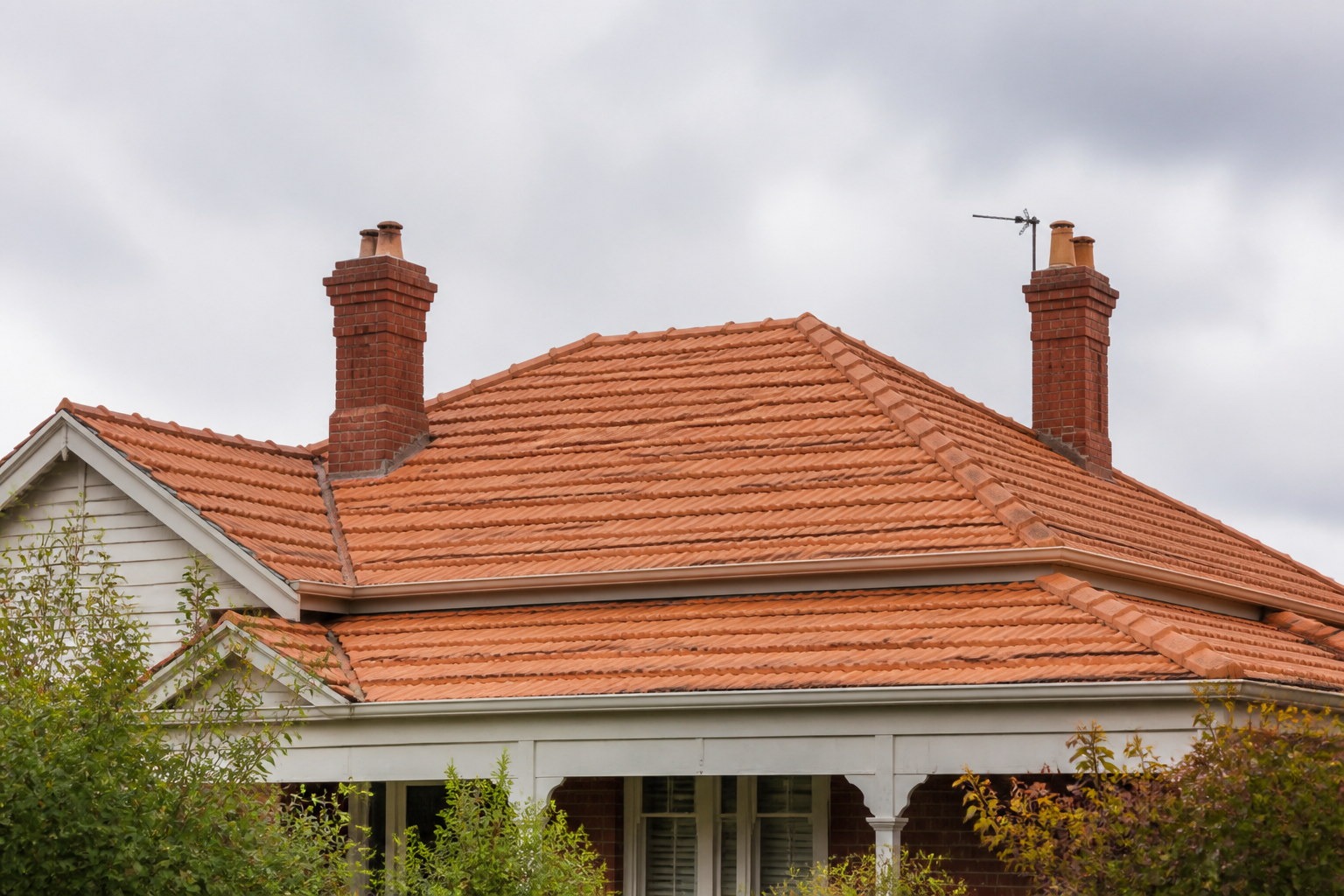
Tile roofs cover a huge share of Melbourne — Marseille-pattern terracotta on the interwar and Federation streets of the inner north and south-east, and concrete tile across almost every suburb built from the 1950s to the 1990s. Most of those roofs don’t need replacing. They need a skilled roof tiler: someone who replaces the broken tiles, fixes the ridges, sorts out what’s happening underneath, and leaves the rest alone.
Roof tiling in Melbourne covers four main jobs: replacing cracked, slipped and broken tiles; rebedding and repointing ridge and hip caps; lift and relay work, where tiles come off so battens and sarking can be renewed; and tiling new sections such as extensions and second storeys so they match the original roof.
It’s worth knowing where tiling stops. Valley irons, flashings at chimneys and walls, gutters and downpipes are roof plumbing — in Victoria that’s licensed plumbing work. Many tile roof jobs need both trades, so describe what you can see and we’ll organise the right mix. If water is already coming through the ceiling, start with roof repairs Melbourne so the leak is triaged first.
Ridge capping — rebedding vs repointing
The ridges and hips are where most Melbourne tile roofs fail first. Ridge caps sit on a bed of mortar, finished with a layer of pointing over the top. Older roofs used a sand-and-cement bedding and pointing that doesn’t flex. After decades of 40-degree north-wind days followed by cold southerly changes, it cracks, crumbles and lets water track along the ridge and into the roof space.
Repointing means removing the loose old pointing and applying a modern flexible pointing compound over bedding that is still solid. Rebedding goes further: the caps are lifted, the old bedding is broken out, fresh bedding is laid and the caps are reset, then repointed. A tiler should tell you which runs need which — a typical older roof might need the hips rebedded and the main ridge only repointed. Under the current tile-fixing standard (AS 2050), ridge and hip caps are also mechanically fixed rather than relying on mortar alone, which matters in Melbourne’s gusty fronts.
Ridge work is often bundled into a full roof restoration, but it doesn’t have to be. If the tiles are sound and don’t need a coating, rebedding and repointing on their own can be the whole job.
Cracked, slipped and broken tile replacement
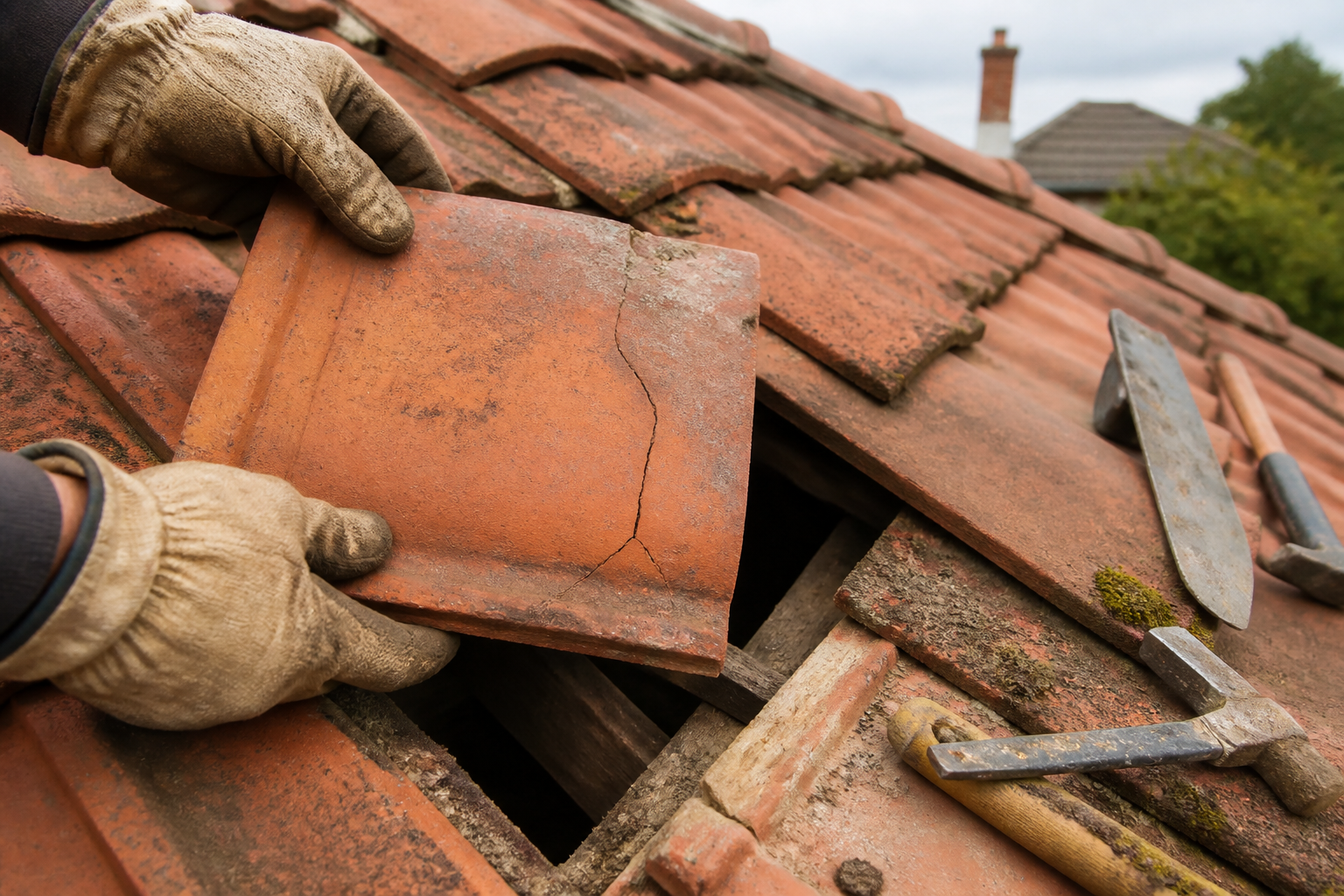
Broken tiles turn up for all sorts of reasons: a branch in a storm, hail, someone walking the roof to install an antenna, air conditioner or solar panels, or simply age. Solar is a big one in Melbourne — after an install, it’s common to find a scatter of cracked tiles around the panel rails that nobody mentioned. A tiler replaces them, checks the surrounding tiles are seated, and resets any that have slipped out of line.
The hard part is matching. Common terracotta and concrete profiles can usually be matched with new or salvaged stock. Older or discontinued tiles may need second-hand tiles from a salvage yard, or a few borrowed from a hidden rear pitch so the front of the house looks right. A photo of one tile — ideally with any maker’s mark on the back — makes matching far quicker.
Lift and relay — re-battening and re-sarking under your tiles
Many Melbourne tile roofs built before the 1980s have no sarking — no membrane under the tiles at all. That means dust and leaf debris blow into the roof space, wind-driven rain on a westerly front can push under the tiles, and there’s no second line of defence when a tile cracks. Battens on very old roofs can also be undersized, split or rotting.
A lift and relay fixes that while keeping your existing tiles. The tiles come off in sections, damaged battens are replaced, new sarking is laid, and the tiles go back on with modern clips — any broken ones swapped for matches. On a sound old terracotta roof, that can give you a near-new roof underneath while keeping the original look, which is often what a heritage street wants. If the tiles themselves are worn out as well, a full roof replacement in new tile or Colorbond® is the fairer comparison.
Terracotta vs concrete tiles in Melbourne
Terracotta is fired clay. It keeps its colour for generations, and much of the inner north, inner east and older bayside housing still wears its original terracotta. The tiles usually outlast the ridges and battens, so tile roofs of this kind tend to need tiling work — ridges, broken tiles, sarking — rather than a coating. Glazed terracotta in particular rarely benefits from being painted.
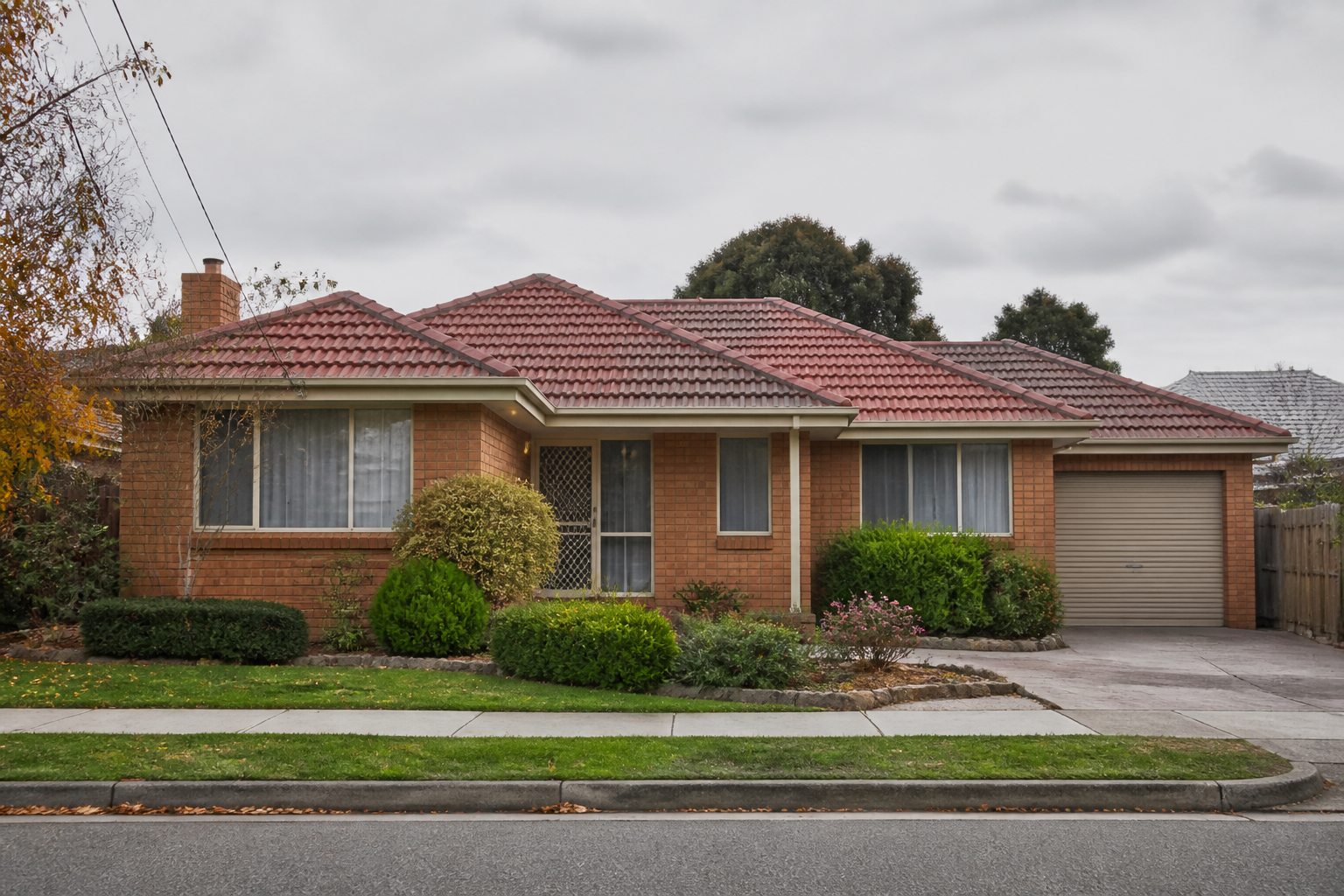
Concrete tiles dominate post-war and newer suburbs. They’re tough, but their colour and water resistance come from a surface coating that wears away over 20–30 years. Once a concrete tile roof is porous, mossy and chalky, a roof restoration with cleaning and a recoat may be worth it — or a clean on its own via roof cleaning Melbourne if the surface still holds up. A tiler can tell you which before anyone sells you a coating.
Tiling extensions, second storeys and heritage homes
Extensions are where tiling needs real care. A new rear wing or second storey should match the original tile, pitch lines and ridge detail so it doesn’t look bolted on, and the junction between old and new roofs needs proper flashing and valley work so it doesn’t become the leak everyone remembers. Where the original tile can’t be matched, some owners re-tile a visible front section with salvaged tiles and use the new tile out the back.
Councils with large heritage areas — Boroondara, Stonnington, Yarra and Port Phillip among them — can have controls on roof materials visible from the street. Like-for-like terracotta repairs are usually straightforward, but changing tile type or colour on a heritage-overlay home may need a planning permit. Your council is the authority; it’s flagged at scoping so it doesn’t hold up the job.
Tiling, repairs, restoration or replacement — the honest call
Tile roofs come with a lot of overlapping advice, so here is the simple version. Water coming in now: start with roof repairs. Sound tiles, tired ridges or a few broken tiles: roof tiling on its own. Worn, porous concrete tiles: compare a restoration. Tiles, battens and sarking all finished: a full replacement. Not sure? A roof inspection with photos settles it before you spend anything.
What drives the cost of roof tiling in Melbourne
Tiling quotes depend on the scope (a few tiles, repointing only, full rebed, or lift and relay), the metres of ridge and hip, roof pitch and storeys, how easy the tiles are to match, how many tiles are broken once the roof is up close, access for scaffold or edge protection, and whether plumbing work such as valleys is bundled in. We don’t publish a flat price because those variables swing the number a long way — you get a scoped quote after an inspection.
Call 0485 008 178 with your suburb, tile type and a few photos. We aim to call back the same business day — usually within a few hours.

 Example job type