Skip to content
Melbourne Roofers

Asbestos Roof Removal Melbourne

Old corrugated asbestos cement on the house, a rear addition, the garage or the shed — weathered, leaking or cracked by hail? Enquire here and we’ll organise a free quote to have it removed by licensed asbestos removalists, cleared, and replaced with a new roof as one planned job.

  • Licensed removal, clearance & new roof in one scope
  • Homes, additions, garages, carports & sheds
  • Local Melbourne focus · free quote
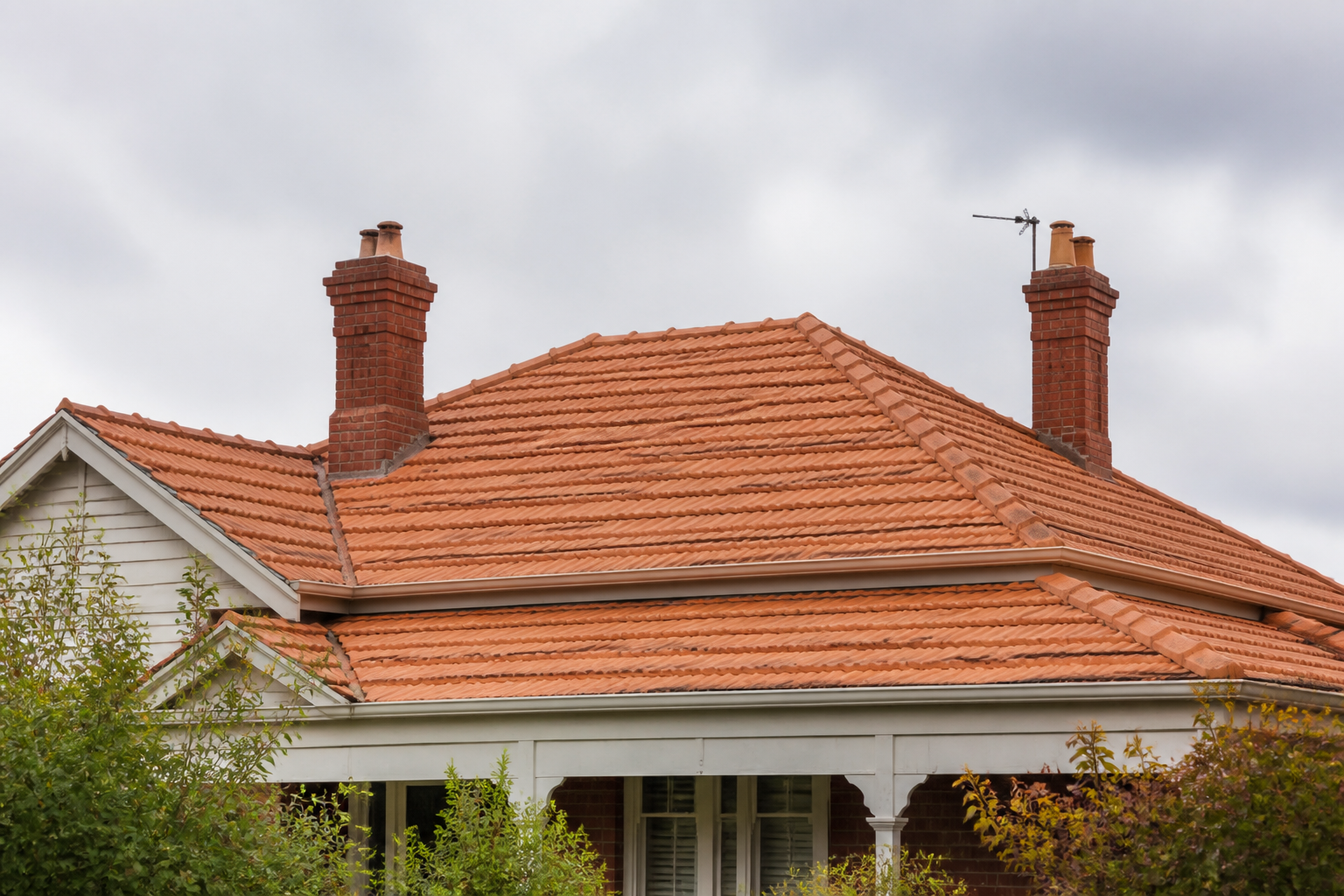
Older Melbourne home roof being assessed for replacement

Asbestos roof removal quote

Tell us what’s going on — we’ll help get your roof sorted.

What happens next

  1. We review your suburb and job details.
  2. We organise the next step with our roofing partner.
  3. You’ll hear back to arrange an inspection or quote.

We aim to call back the same business day — usually within a few hours.

Free quote Melbourne suburbs Licensed asbestos removal Cleared before the new roof goes on

Is it asbestos? Spotting an asbestos cement roof in Melbourne

Asbestos cement was one of Australia’s most popular building materials for decades, and it was used in building products until a national ban took effect at the end of 2003. In Melbourne it turns up most often as corrugated roof sheeting — the wide, rounded-rib grey sheets often called by old brand names such as “Super Six” — and as flat fibro sheet on low-pitch additions, sleep-outs and verandahs. It was also moulded into ridge cappings, barge pieces, flue sleeves and gutter outlets that sit on or around a roof.

A roof is worth treating as possible asbestos cement if:

  • The building or addition went up before 1990 — and especially between the late 1940s and the early 1980s, when it was used most widely. Anything installed before the end of 2003 is possible.
  • The sheet is grey, fibrous-looking and brittle rather than metal, often with lichen, moss or a pitted, rough surface on the weather side.
  • It’s on a garage, carport, shed, laundry, rear lean-to or sleep-out — the most common places it survives on otherwise updated homes.
  • The ridge and edge pieces are moulded grey cement rather than steel capping.

You can’t confirm it by eye. The only way to know is a sample taken by someone trained to do it and analysed by a NATA-accredited laboratory. Please don’t snap off a corner or drill a piece yourself to “check” — that is exactly the kind of disturbance that releases fibres. Until it’s tested, treat the sheet as if it contains asbestos, and say so when you enquire.

Leave it, seal it, cover it or remove it

Not every asbestos roof has to come off tomorrow. The right call depends on its condition, what it’s on, and what you plan to do with the building:

  • Sound and undisturbed — a weathered but intact shed or garage roof that isn’t leaking can often be left alone and monitored, as long as nobody walks on it, cleans it with high-pressure water or drills it.
  • Sealed in place — some sound sheets are sealed with a suitable coating applied in a way that doesn’t disturb the surface. It slows weathering; it doesn’t make the asbestos go away, and preparation has to follow the safety rules.
  • Over-roofed — new metal fixed on a frame above the old sheet. Used on some commercial buildings, less often on homes, and it leaves the asbestos in the building.
  • Removed and replaced — the old roof taken off by a licensed removalist, the area cleared, and a new roof installed. This is the usual path once the sheets are leaking, cracked, hail-damaged or badly weathered, or when you’re renovating, adding solar or selling.

If you were hoping a clean or a coat of paint would freshen up an old fibro roof, read the notes on our roof cleaning Melbourne and roof painting Melbourne pages first — high-pressure cleaning and abrasive preparation of asbestos cement are exactly what the safety rules warn against.

What the rules mean in Victoria, in plain terms

Asbestos work in Victoria is regulated by WorkSafe Victoria, with disposal regulated by EPA Victoria. The main points homeowners run into on a roof job are:

  • Licensing. Removing more than 10 square metres of non-friable (bonded) asbestos cement must be done by a licensed asbestos removalist. A typical house roof — or even a double garage — is well over that. Friable or badly deteriorated asbestos needs a higher class of licence regardless of area.
  • Notification. Licensed removalists notify WorkSafe before licensed removal work starts, which is one reason removal is booked a little ahead rather than same-day.
  • No high-pressure water or abrasive tools. Water-blasting, sanding, grinding and power-cutting asbestos cement are restricted because they release fibres.
  • Clearance. After licensed removal, an independent clearance inspection confirms the area is free of visible asbestos debris and a clearance certificate is issued.
  • Disposal. Asbestos waste is wrapped, labelled and taken to a site licensed by EPA Victoria to accept it, with the required paperwork.

This is general guidance, not legal advice, and the details change from time to time. WorkSafe Victoria and the Victorian government’s asbestos.vic.gov.au site publish the current rules for homeowners and workplaces. Commercial and rental properties have extra duties, including asbestos registers on many workplaces — see commercial roofing Melbourne for factories, warehouses and owners corporation buildings.

Removal and the new roof — one planned job

The most common mistake is treating removal and re-roofing as two unrelated jobs. When they’re booked separately, the building can sit open to the weather between trades, nobody owns the gutters and flashings, and the timing falls apart the moment rain arrives. A single scope avoids that:

  • The roof is inspected, measured and (if needed) sampled, and the frame checked from inside where it can be reached safely.
  • The new roof is chosen, ordered and scheduled before the old one comes off.
  • The licensed removalist removes the sheets, cappings and any asbestos debris in the gutters and roof edge.
  • The area is cleared and the clearance certificate issued.
  • The roofer goes straight in — battens or purlins checked and added where needed, sarking or insulation blanket fitted, new sheets, flashings, cappings and gutters installed.

On most small buildings and additions the aim is to remove and re-sheet in a tight weather window so the space is only open briefly. For a full house roof the work is staged around the forecast. The planning overlaps with our roof replacement Melbourne page, which covers underlay, flashings, scaffold and handover paperwork in more depth.

What to include in your enquiry

  • Suburb, and what the roof is on — house, rear addition, garage, carport or shed
  • Roughly when it was built, and whether the sheeting has ever been tested
  • Rough size (length × width) and whether it is leaking, cracked or hail-damaged
  • What you’d like to go back on — corrugated steel, another profile or not sure yet
  • Any heritage overlay, owners corporation, shared boundary wall or solar on the roof
  • Photos from the ground — please don’t climb onto the sheets

Related services & guides

Suburb roofing pages

Free quote. Enquire once and we organise the inspection with our roofing partner — one clear scope covering licensed removal, clearance and the new roof together.

What asbestos roof removal in Melbourne usually covers

Inspect, measure & sample

Roof area measured, condition photographed from safe positions, the frame checked from inside where accessible, and a sample arranged for laboratory analysis if the sheet hasn’t been tested.

Plan, notify & set up

Removal booked and notified as required, neighbours told what to expect, exclusion zone and signage set up, and windows, vents and nearby openings closed off.

Licensed removal

Sheets wetted and removed whole where possible by the licensed removalist — including ridge and barge pieces, flue sleeves and debris in the gutters and roof edge.

Wrap, dispose & clear

Waste wrapped, labelled and taken to an EPA-licensed facility, then an independent clearance inspection and certificate before anyone else works in the area.

Frame & new roof

Purlins or battens checked and added to suit the new sheeting, sarking or blanket fitted, and the new roof, flashings and cappings installed straight after clearance.

Gutters, edges & paperwork

Gutters, downpipes and fascia renewed where needed, solar or skylights reinstated, and the clearance certificate, disposal records and roof warranty handed over.

Where asbestos roofs still turn up across Melbourne

Melbourne’s post-war building boom happened right through the decades asbestos cement was cheapest and most popular, so it is spread across the city — but it shows up in different ways in different areas:

  • Post-war weatherboard and housing estates in Reservoir, Heidelberg, Preston, Pascoe Vale, Sunshine and Altona. Many of these homes were built with fibre cement eaves, wall cladding or roofing on additions, and plenty still have an original garage or laundry roof in corrugated asbestos cement.
  • Backyard garages, sheds and carports across the middle ring — Bentleigh, Oakleigh, Moorabbin, Box Hill, Coburg and Essendon. The main house has often been re-roofed already, but the outbuilding is original. These are the most common small asbestos roof jobs in the city.
  • Rear lean-tos, sleep-outs and verandahs on Victorian and Edwardian cottages in Brunswick, Northcote, Footscray, Williamstown and Richmond. The street-facing roof is slate or iron; the low-pitch addition at the back, added mid-century, is often fibro — and often leaking where it meets the main roof.
  • Holiday shacks and older homes near the bay around Frankston, Mornington and Carrum Downs, where simple fibro buildings were common and salt air has weathered the sheets.
  • Factories, warehouses and workshops in industrial pockets of Sunshine, Laverton, Dandenong and Moorabbin, where large corrugated asbestos cement roofs are still in service. These involve workplace duties and asbestos registers, and are covered on our commercial roofing page.

Newer estates in the outer west, north and south-east — built well after 2003 — won’t have asbestos roofing, though an older farmhouse or shed on a subdivided block occasionally does.

Hail, storms and fire damage on asbestos cement

Melbourne’s spring and summer storms are hard on old asbestos cement. Sheets that have weathered for fifty-plus years lose strength, and a hailstorm or a falling branch can crack or hole them, leaving broken pieces on the roof, in the gutters and on the ground. That changes the job from planned to urgent — and it also changes how the clean-up has to be done.

  • Keep children and pets away from broken pieces and don’t let anyone climb up.
  • Don’t hose, sweep, mow over or vacuum debris with a household vacuum.
  • Photograph the damage from the ground for your insurer, including any broken pieces in the yard.
  • Temporary weatherproofing over damaged asbestos cement should only be done by people trained to work with it, and debris cleaned up under asbestos controls.

Insurers often want a roofing report and quote for the permanent fix. A roof inspection Melbourne with dated photos helps, and the replacement can usually be scoped as removal plus a new roof in one claim. After a bushfire, fire-damaged asbestos cement is treated more cautiously again, and government clean-up guidance for the area should be followed.

Garages, carports, sheds and lean-tos

Small outbuildings make up a big share of asbestos roof work in Melbourne. They’re also where people are most tempted to do it themselves. A few things worth knowing before you decide:

  • The area adds up faster than you think. A single garage is often close to or over 10 square metres of roof once overhangs are included, and that’s before any wall sheets.
  • The sheets won’t take your weight. Old asbestos cement is brittle. Falls through garage and shed roofs are a real and serious risk.
  • Walls and eaves may be asbestos too. Many old garages and sheds are fibro-clad, and removing the roof can disturb the wall sheets or eaves. It’s often sensible to scope the whole structure together.
  • Shared boundary walls. A garage built on the boundary may share a wall or box gutter with the neighbour’s structure. That needs to be planned with them.
  • Demolish or re-roof? If the garage is being demolished, the asbestos still has to come off first. If it’s staying, a new corrugated steel roof is usually a quick re-sheet once the old roof is removed and cleared.

Choosing the new roof

Once the old sheets are off, you’re choosing a new roof like any other — but with a few details specific to replacing asbestos cement:

  • Corrugated Colorbond® steel is the most common choice. It keeps the familiar corrugated look, is much lighter than tiles, and suits the low pitches of most additions, garages and sheds. Bayside homes need the right coating class and fasteners — see metal roofing Melbourne for profiles and corrosion notes.
  • Purlin and batten spacing. Asbestos cement sheets were often laid over timber purlins at spacings that suit them, not modern steel. The roofer checks spacing and condition and adds or replaces timbers where needed.
  • Condensation and heat. Thin steel can drip condensation and gets hot in summer. Foil-faced sarking or an insulation blanket under the sheet is usually worthwhile, especially over habitable rooms.
  • Pitch. Very low-pitch additions need a sheet profile and laps that are rated for that slope, and sometimes a change of profile rather than corrugated.
  • Tiles. Swapping to tiles is possible on some homes, but tiles are far heavier, so the frame needs checking by someone qualified first.
  • Roof edges and penetrations. It’s the natural time to replace old gutters and fascia (see fascia replacement Melbourne and gutter replacement Melbourne), add or replace a skylight, and plan solar mounting on a roof that can actually take it.

Heritage overlays, permits and neighbours

Many inner-suburban streets in Williamstown, Northcote, Brunswick, Kew and St Kilda sit under a heritage overlay. A rear lean-to that can’t be seen from the street usually raises few questions; a visible roof changing material or colour may need a planning permit. Some re-roofs that change the structure need a building permit as well. Check with your council or a building surveyor before you commit to a material, and mention any overlay when you enquire.

Neighbours matter more on asbestos jobs than on ordinary re-roofs. It’s good practice to let them know the dates, ask them to keep windows closed on that side while removal is underway, and arrange access if the work is on or near a boundary. Shared roofs on units and townhouses usually go through the owners corporation.

Living at home during the job

For most garage, shed and lean-to roofs, life carries on as normal — the removal area is fenced or taped off and the work happens outside. For a main roof over living areas there’s more to plan: windows and vents nearby are closed, pets are kept inside or away, the roof space may be checked for debris, and if the ceiling below is also suspected asbestos it’s treated as a separate item. The removalist explains what’s needed for your home before the job starts, and the area isn’t reopened until clearance.

What drives the cost

Every asbestos roof is priced on its own details, so it’s more useful to know what moves the number than to rely on a generic rate:

  • Roof area, pitch, height and how easy it is to get scaffold or a bin close
  • Whether the sheeting has been tested, and its condition — intact, weathered, cracked or storm-damaged
  • Extra asbestos items: wall sheets, eaves, flue sleeves, debris in gutters or the roof space
  • Disposal volume, transport and clearance inspection
  • Frame repairs, extra purlins or battens, and the new roof material and profile
  • Gutters, downpipes, fascia, skylights and solar removal and reinstatement
  • Heritage or permit requirements and working near boundaries

Our roof replacement cost in Melbourne guide explains how re-roof quotes are usually built up. Ask for removal, clearance, disposal and the new roof to be itemised so you can compare like with like.

Questions worth asking on your quote

  • Who is carrying out the removal, and what class of asbestos removal licence do they hold?
  • Has the sheeting been tested, or is it being treated as asbestos without testing?
  • Who does the clearance inspection, and will I receive the clearance certificate?
  • Where is the waste going, and will I get disposal records?
  • Are wall sheets, eaves, cappings and gutter debris included?
  • How soon after clearance does the new roof go on, and what happens if rain arrives in between?
  • What sarking or insulation is included under the new roof?
  • What warranties apply to the new roof and the workmanship?

What we organise for Melbourne asbestos roof jobs

Illustrative job types, not staged before/after photos. Real asbestos roof scopes start from your suburb, what the building is, whether the sheeting has been tested, and what you want to go back on. Enquire here and we’ll organise a free quote with our roofing partner and a licensed asbestos removalist.

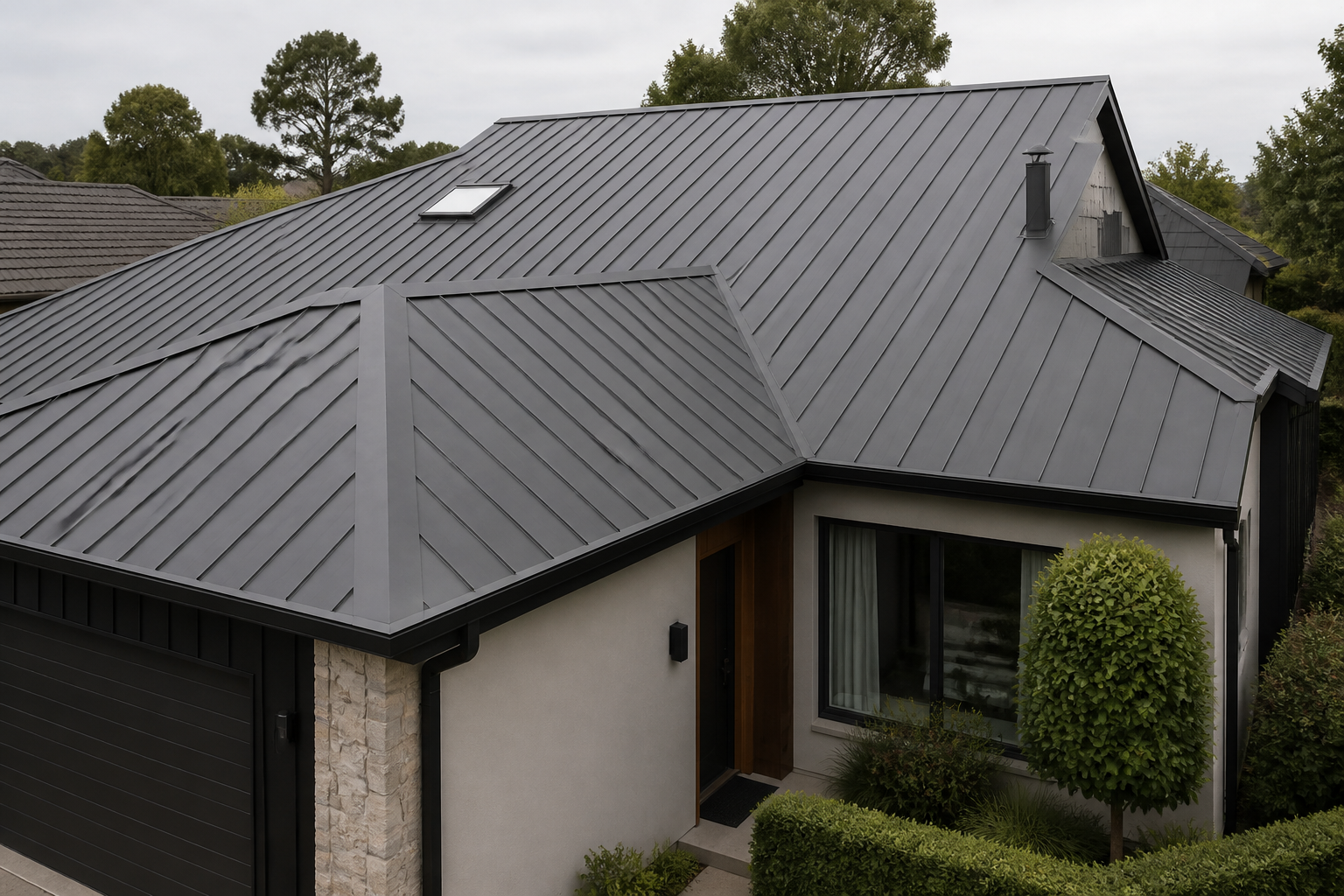
Illustrative example — corrugated steel roof on a Melbourne garage (not a completed job photo) Example job type

Original garage roof behind a re-roofed house

Before
Middle-ring south-east home with a re-roofed main house but the original 1960s garage still under weathered corrugated asbestos cement, lichen-covered and leaking at the laps.
After / organised outcome
Sheeting tested, removed by a licensed removalist and cleared, extra purlins added, then a new corrugated steel roof with foil sarking and a new gutter on the low side.
Illustrative example — rear roof junction on an older Melbourne home Example job type

Fibro lean-to on a period cottage

Before
Inner-west Victorian cottage with a mid-century fibro lean-to at the back, leaking where the low roof met the main iron roof and under a heritage overlay at the front.
After / organised outcome
Lean-to roof removed and cleared, junction reflashed into the main roof, new low-pitch steel profile suited to the slope, and council guidance checked for the visible parts.
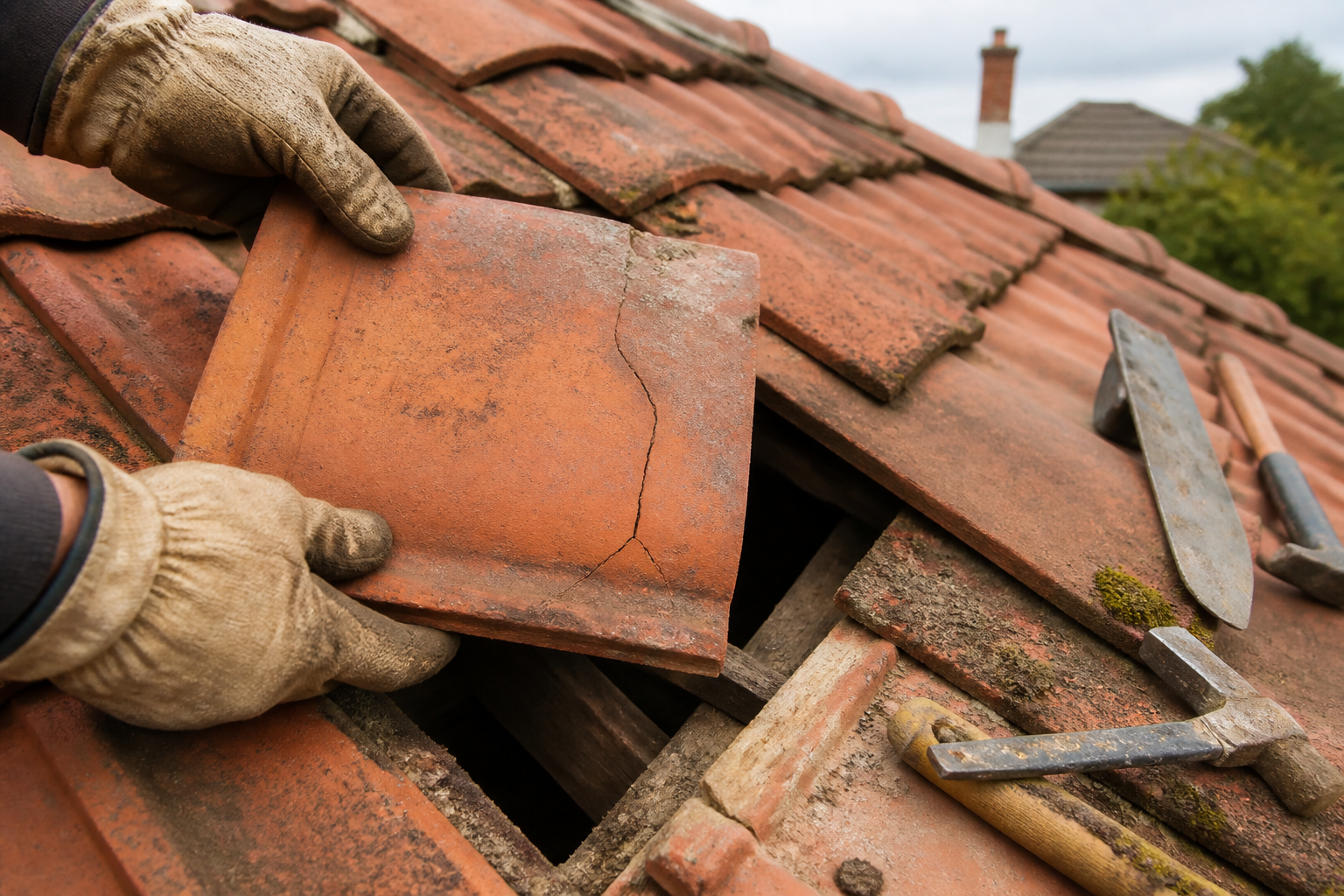
Illustrative example — storm-damaged roof being replaced in Melbourne Example job type

Hail-cracked shed roof

Before
Northern-suburbs backyard shed with asbestos cement sheets cracked by a spring hailstorm and broken pieces in the gutter and on the lawn.
After / organised outcome
Area kept clear, debris and sheets removed under asbestos controls, clearance issued, and a new steel roof fitted with photos and paperwork for the insurance claim.

Suburb callouts — asbestos roof removal

  • Reservoir — Post-war homes with original garages, laundries and fibro additions.
  • Bentleigh — Main roofs often renewed; backyard garages and sheds frequently still original.
  • Footscray — Rear lean-tos on cottages — junctions with the main roof are the usual leak point.
  • Sunshine — Post-war housing next to older industrial roofs — homes and workplaces have different rules.
  • Heidelberg — Mid-century estates with fibre cement eaves and outbuildings to check before any roof work.
  • Frankston — Older bayside fibro buildings weathered by salt air — pick coastal-rated steel for the new roof.

Melbourne climate notes for asbestos roof work

  • Spring and summer hail can crack weathered sheets — keep clear of debris and photograph for insurance.
  • Removal is planned for calm, dry days so the area stays damp-controlled and isn’t left open in rain.
  • Changeable weather means the new roof is ordered and scheduled before the old one comes off.
  • Lichen and moss on shaded sheets speed up weathering; they are never pressure cleaned off.

Illustrative asbestos roof job types only — images are not photos of completed jobs. Removal is carried out by licensed asbestos removalists; real scope starts from testing, your suburb and photos.

Frequently asked questions

How can I tell if my roof sheeting is asbestos cement? ▾

You can’t tell for certain by looking. Corrugated grey sheeting with wide, rounded ribs, flat “fibro” sheets on a lean-to, and moulded ridge or barge pieces on homes, garages and sheds built or extended before the end of 2003 are the usual suspects. Anything installed before about 1990 is the most likely to contain asbestos. The only way to know is to have a sample taken by someone trained to do it and analysed by a NATA-accredited laboratory. Until then, treat it as if it does contain asbestos and leave it undisturbed.

Is an old asbestos roof dangerous if it is just left alone? ▾

Bonded asbestos cement that is intact and undisturbed is generally considered low risk, which is why plenty of Melbourne garages and sheds still have it. The risk rises as the sheets weather, crack, grow lichen and turn brittle, and whenever someone breaks, drills, cuts, sands or water-blasts them. Weathered sheets are also a serious fall hazard — people have died falling through them. If the roof is leaking, badly weathered or hail-damaged, it is time to plan its removal rather than patch it.

Do I need a licensed removalist to take off an asbestos roof in Victoria? ▾

For a typical house roof, yes. Under WorkSafe Victoria rules, removing more than 10 square metres of non-friable (bonded) asbestos cement must be done by a licensed asbestos removalist, and almost every house roof is well over that. Friable or badly damaged asbestos needs a higher class of licence regardless of area. Rules change, so treat this as general guidance and check WorkSafe Victoria and asbestos.vic.gov.au for the current requirements.

Can I remove a small asbestos shed or carport roof myself? ▾

Some small areas fall under the 10 square metre threshold, and Victorian government guidance explains how a homeowner can do limited work more safely. Even so, it is easy to underestimate the area, the sheets are fragile to stand on, breakage releases fibres, and disposal must follow EPA Victoria rules. Most people find a licensed removalist is the simpler and safer path, especially when a new roof is going on straight afterwards.

Where do the old asbestos sheets go after removal? ▾

Removed sheets are kept whole where possible, wetted down, wrapped in heavy plastic, labelled and taken to a facility licensed by EPA Victoria to accept asbestos waste, with the paperwork EPA requires. It must never go in household bins, skips meant for general rubbish or hard-rubbish collections. Ask for disposal records as part of the job paperwork.

Is a clearance certificate issued after asbestos roof removal? ▾

After licensed asbestos removal, an independent clearance inspection is carried out and a clearance certificate issued once the area is confirmed free of visible asbestos debris. Keep it with your house records — it is useful when you sell, insure, renovate or install solar later. The new roof should not go on until the area has been cleared.

Can a new metal roof be fitted over the old asbestos sheets instead? ▾

Over-roofing, where new metal sheeting is fixed on a frame above the old asbestos cement, is used on some commercial and industrial buildings. On houses it is less common: the old sheet stays in the building, fixing through it has to be done carefully, it adds weight, and it can complicate future work and sale. Removal and a fresh roof is the usual recommendation for homes, but the right answer depends on the structure and should be assessed on site.

What roof usually replaces asbestos cement on a Melbourne home? ▾

Most often corrugated Colorbond® steel, because it is light, keeps the classic corrugated look, suits the existing roof pitch on most low-slope additions and sheds, and works with most heritage streetscapes in a suitable colour. Some owners switch to a different steel profile or, less often, to tiles. Tiles are far heavier than asbestos cement, so the frame must be checked by someone qualified before that is considered.

Hail has cracked our asbestos roof — what should we do first? ▾

Keep people and pets away from any broken pieces, do not hose, sweep or vacuum the debris with a household vacuum, and do not climb onto the roof. Take photos from the ground for your insurer and send them with your enquiry. Temporary weatherproofing over damaged asbestos cement needs to be done by people trained to work with it, and the broken pieces and any debris in gutters or on the ground should be cleaned up under asbestos controls before the roof is replaced.

Can we stay in the house while the asbestos roof is removed? ▾

Often yes, but it depends on the job. Removal work is set up with an exclusion zone, windows and doors near the work closed, and pets and children kept well away. If the removal involves the main roof over living areas, or the ceiling underneath may also contain asbestos, you may be asked to be out for part of the job. The removalist explains the arrangements before work starts.

Do I need council approval to replace an asbestos roof? ▾

Many like-for-like re-roofs do not need a planning permit, but it depends on the property. Homes under a heritage overlay may need a permit to change the roofing material or colour visible from the street, and some re-roofs that change the structure need a building permit. Owners corporation rules can also apply to shared roofs. Ask your council or a building surveyor before you commit, and mention any overlay when you enquire.

What happens after I enquire about asbestos roof removal? ▾

Send your suburb, what the building is (house, rear addition, garage, carport or shed), roughly when it was built, whether the roof has been tested, and photos from the ground. We’ll organise an inspection with our roofing partner, who works with licensed asbestos removalists, and you’ll get a free written quote covering removal, clearance and the new roof together. Call 0485 008 178 or use the form — there’s no obligation to go ahead.

Call 0485 008 178