Skip to content
Melbourne Roofers

Roof Cleaning Melbourne

Moss creeping across the tiles, black lichen on the shady side, or a Colorbond® roof that’s gone dull with grime and salt? Enquire here and we’ll organise a roof clean matched to your roof — pressure or soft wash, tiles protected, gutters cleared at the end.

  • Tile, terracotta and Colorbond® / metal roofs
  • Pressure or soft-wash method chosen for the roof
  • Local Melbourne focus · free quote
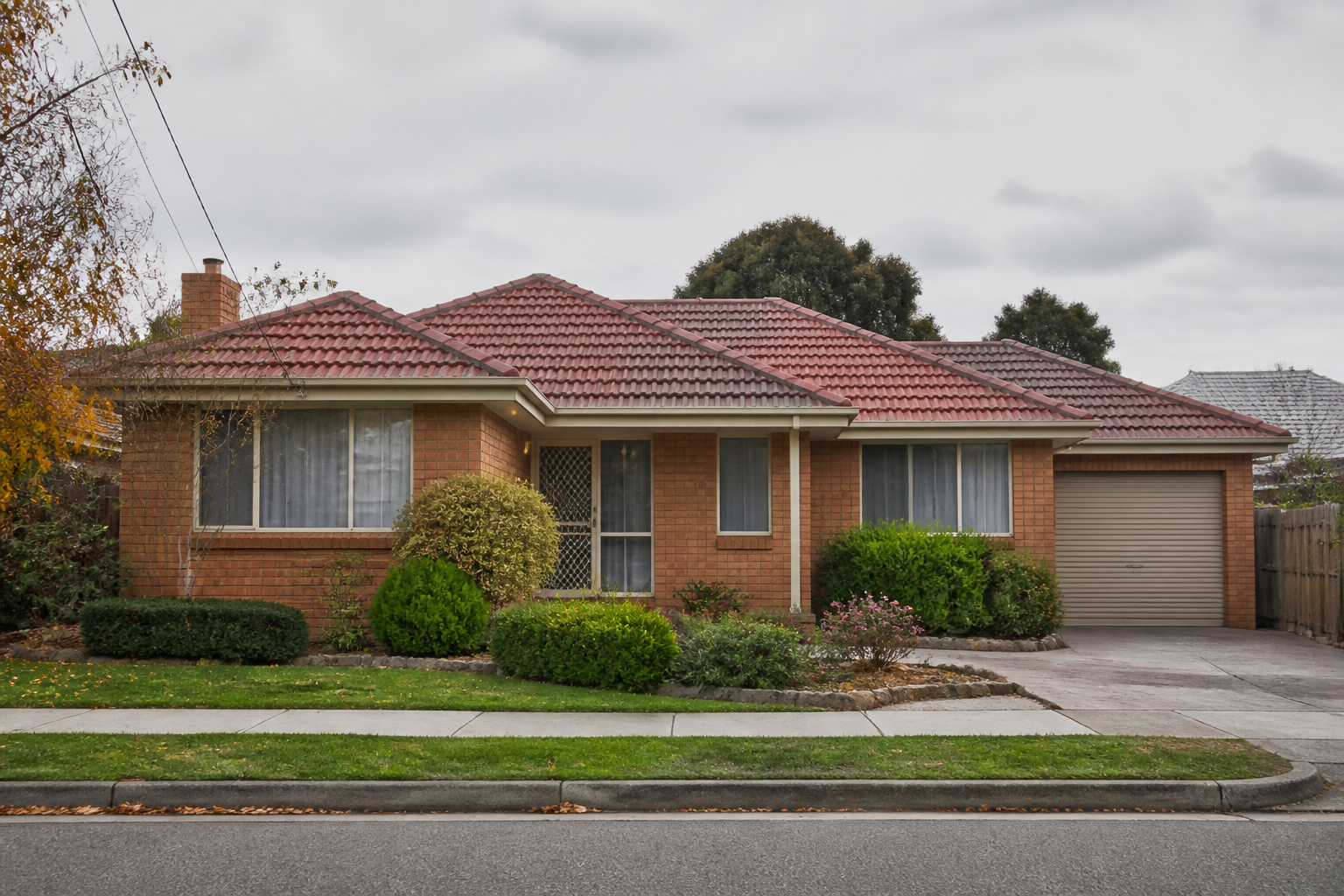
Illustrative image of a Melbourne tiled roof — roof cleaning for moss and lichen

Roof cleaning quote

Tell us what’s going on — we’ll help get your roof sorted.

What happens next

  1. We review your suburb and job details.
  2. We organise the next step with our roofing partner.
  3. You’ll hear back to arrange an inspection or quote.

We aim to call back the same business day — usually within a few hours.

Free quote Melbourne suburbs Tile and metal roofs Gutters cleared after the clean

Why Melbourne roofs need cleaning

Melbourne’s mix of cool, damp winters and shaded leafy streets is perfect for moss and lichen. It grows fastest on south-facing pitches, under gums, oaks and plane trees, and on the porous surface of older concrete tiles. Left alone, moss holds water against the roof, lifts the edges of tiles, and washes into gutters and downpipes where it causes overflow.

Roof cleaning Melbourne homeowners book is usually about three things: getting rid of that growth before it causes damage, improving how water runs off the roof, and making the house look cared for — which matters a lot before a sale or a rental inspection. On a sound roof, a clean is a lot cheaper than any repair it prevents.

A clean doesn’t fix broken tiles or failing ridges. If the roof underneath is chalky, porous or cracked, the honest next step is a roof restoration Melbourne scope, where the clean is just the first stage before repairs, re-pointing and coating.

Pressure cleaning vs soft washing — which suits your roof?

Roof pressure cleaning uses high-pressure water to strip moss, lichen and grime. It’s fast and effective on solid tiles that are going to be coated afterwards. Used carelessly, though, it can strip the surface off old concrete tiles, blast the glaze or fine edges off terracotta, and drive water up under laps and flashings.

Soft washing uses low pressure with a treatment that kills moss and lichen at the root, then rinses away. It’s gentler and often the better choice for older terracotta, fragile tiles and coated metal. The growth sometimes takes a little time to fully release after treatment. The right method depends on the roof, so it should be chosen after someone has seen it, not set in a price list.

Terracotta, concrete tile and Colorbond® — different roofs, different care

Terracotta roofs in the inner north, Bentleigh and bayside streets are tough but often old. The main risks are cracking tiles by walking on them carelessly and blasting away glaze. Gentle methods and careful foot placement matter more than raw pressure.

Concrete tile roofs from the 1960s–80s across the east and south-east grow the most moss because their coating has worn and the surface is porous. They clean up well, but a clean will also show how worn they are, which is useful to know before deciding whether to coat.

Colorbond® and metal roofs need a light touch: low pressure, a cleaner suited to coated steel, and working with the ribs. Harsh chemicals and high pressure can damage the paint system and affect warranties. Bayside metal roofs in Brighton, Williamstown and the south benefit from regular washing, because salt left in sheltered areas the rain doesn’t rinse speeds up corrosion. Our metal roofing Melbourne page covers what to do if the clean shows rust underneath.

Gutters, downpipes and runoff — the part people forget

Everything that comes off the roof heads straight for the gutters. A careful clean protects downpipe outlets so moss and grit don’t block them, then clears the gutters at the end. Skipping that step is how a roof clean causes an overflow at the next storm.

Runoff also matters beyond your property. In Melbourne, stormwater flows to local creeks and Port Phillip Bay, so cleaning products and debris shouldn’t be sent down the drain carelessly. Ask what product is being used and how runoff is handled at quote time. If the gutters are full of years of leaf, book gutter cleaning Melbourne alongside the roof clean to share the access.

Safety, access and what can go wrong

A wet, mossy roof is slippery and dangerous, and double-storey homes, steep pitches and tight inner-city sites need proper height-safety setup. That’s one reason roof cleaning isn’t a great DIY weekend job, and one reason access is a big part of the quote.

Good practice is to note cracked or broken tiles before starting and replace them during the job, protect solar panels, skylights and roof-mounted air conditioning, and check that no water has been driven into the roof space. If damaged tiles or loose ridge caps turn up, they should be flagged with photos — small roof repairs are often done at the same visit. Not sure what condition the roof is in? A roof inspection Melbourne first gives you a clear picture.

Roof cleaning cost in Melbourne — what moves the price

We don’t publish “from $X” roof cleaning prices, because the honest answer depends on the roof. The main drivers are roof size and pitch, single vs double storey, how heavy the moss and lichen are, tile vs metal, whether a moss treatment is applied, and extras like gutter cleaning, broken tile replacement or working around solar panels.

A small single-storey metal roof that just needs a wash is a very different job from a steep, heavily mossed double-storey concrete-tile roof. Get one clear quote after the roof has been seen. Call 0485 008 178 with your suburb, roof type and a couple of photos. We aim to call back the same business day — usually within a few hours.

What to include in your enquiry

  • Suburb, storeys and whether the roof is tile or metal
  • How heavy the moss, lichen or staining is
  • Solar panels, skylights or roof-mounted air conditioning
  • A couple of photos from the ground or upstairs window

Related services & guides

Suburb roofing pages

Free quote. Enquire once and we organise the roof clean with our roofing partner. No quote-shopping race, no chasing three cleaners yourself.

What a Melbourne roof clean usually includes

Moss & lichen removal

Pressure or soft-wash method matched to the roof, with a treatment to slow regrowth where it suits.

Gutters & downpipes cleared

Outlets protected during the clean, then gutters cleared so debris doesn’t cause the next overflow.

Condition notes & photos

Cracked tiles, loose ridges or rust flagged with photos, so you know if anything else needs attention.

Moss, lichen, mould or dirt? Knowing what’s on your roof

Not everything that makes a roof look tired is the same problem, and the right clean depends on what’s actually there.

  • Moss forms soft green cushions in tile joints, along ridges and in valleys. It holds water like a sponge, lifts tile edges and breaks off into gutters. It usually comes away readily once treated or washed.
  • Lichen shows as crusty grey, yellow-orange or dark patches bonded tightly to the tile surface. It is slower to shift, and blasting it off at high pressure tends to take the tile surface with it. Treatment that lets it release over time is often kinder to the roof.
  • Dark streaks and mould run down shaded pitches where the roof stays damp. They are mostly cosmetic but signal a roof that dries slowly.
  • Grime and fallout builds up near busy roads, freeways, rail lines and industrial areas — think homes near the West Gate, Princes Freeway or around Altona, Laverton and Brooklyn. It dulls Colorbond® and stains light-coloured tiles.
  • Salt crust collects on bayside roofs in sheltered spots the rain doesn’t rinse, such as under overhangs and around flashings, and quietly speeds up corrosion on metal.

A couple of clear photos usually make it obvious which one you’re dealing with, and that shapes the method, the time on site and whether a follow-up treatment is worth it.

Where in Melbourne roofs grow the most

Moss and lichen follow shade and moisture. Homes in the Dandenong Ranges foothills — Ferntree Gully, Upwey, Boronia, Tecoma and the Basin — catch more rain and morning mist than the rest of the city and grow the heaviest cover. Leafy north-eastern suburbs like Eltham, Research and Warrandyte, and well-treed streets in Kew, Camberwell, Balwyn, Brighton and Sandringham aren’t far behind, especially on south-facing pitches under big trees.

Across the open western plains and newer estates, moss is usually lighter, but dust, building-site debris and road grime take its place. Bayside suburbs see a mix of salt build-up on metal and lichen on older terracotta. Knowing which pattern your street follows helps decide how often a clean makes sense.

Fibro and asbestos cement roofs: not for pressure cleaning

Many Melbourne homes, sheds, carports and garages built before the 1990s have corrugated asbestos cement (“fibro”) roof sheeting. These roofs should not be pressure cleaned. Victorian workplace safety rules restrict using high-pressure water on asbestos, and WorkSafe guidance is clear that asbestos cement shouldn’t be water-blasted, because the spray can break up the weathered surface and release fibres into the air and across your yard and your neighbours’.

If you’re not sure what your roof is made of, say so on the enquiry, with a photo. A weathered asbestos cement roof is usually a conversation about leaving it undisturbed, having it sealed by someone qualified to do that, or replacing it, with the removal carried out under the asbestos rules. That’s an asbestos roof removal Melbourne or roof replacement Melbourne question rather than a cleaning one.

Slate, glazed terracotta and skylights: roofs that need a gentler touch

Slate roofs on Victorian and Edwardian homes in suburbs such as Carlton, Parkville, Hawthorn and Williamstown shouldn’t be pressure washed. The layers of the slate can delaminate, and walking on slate without the right technique cracks it. Light lichen on slate is often best left alone, or handled by a specialist — see slate roofing Melbourne. Glazed terracotta, common on interwar and Federation homes, can lose its glaze to aggressive washing. Polycarbonate sheets, skylight domes and roof vents scratch and crack easily, so they need to be protected or cleaned by hand.

Rainwater tanks, gardens, pets and neighbours

If your downpipes feed a rainwater tank, the tank inlet should be disconnected or diverted before the clean, so moss, grit and cleaning product end up in the stormwater rather than in the water you use on the garden or in the house. Reconnect it only after a decent rain has rinsed the roof. First-flush diverters and leaf diverters should be emptied afterwards as well.

Garden beds, ponds and vegetable patches under the eaves are best covered or wetted down before any treatment goes on, and pets are happier inside for the day. On tight inner-suburb blocks, overspray and runoff can reach a neighbour’s car, fence or washing, so it’s good manners — and good practice — to let them know when the clean is booked. Windy days are poor days for applying treatment for exactly that reason.

Timing and weather

Roof cleaning works best in mild, settled weather. Many moss and lichen treatments need a dry window after they’re applied to soak in, so a run of fine days in autumn or spring usually suits better than a showery week in July. Frosty winter mornings make tiles dangerously slippery, and on hot summer days metal roofs get too hot to work on safely and treatments can dry before they work. Cleaning in autumn also means the roof and gutters go into winter clear, when moss grows fastest.

After the clean: what the roof is telling you

A clean roof is easier to read, which makes it a useful decision point.

  • Tiles hold their shape and colour, ridges are firm — a clean and an occasional treatment is all it needs for now.
  • Concrete tiles look sandy, porous or patchy, and ridge bedding is cracked — that’s when roof restoration Melbourne starts to make sense, with the clean already done as the first stage.
  • Rust through metal sheets, many broken tiles or sagging sections — repairs, or a conversation about replacement, before money goes into cosmetic work.

Photos of anything found during the clean should come back to you, so you can decide what to do without pressure.

Keeping the roof cleaner for longer

Cutting back branches that overhang the roof lets in light and air and cuts down leaf drop, but check first: many Melbourne councils protect significant trees under local laws or planning overlays, and pruning can need a permit. Keeping gutters and valleys clear stops the damp, debris-filled edges where moss gets started. A treatment after the clean slows regrowth, and on shaded or foothills roofs a check every couple of years catches growth before it starts lifting tiles.

Cleaning the roof before a sale, auction or new lease

Melbourne listing photos are often taken from a drone or a high angle, and a roof covered in black lichen or green moss is one of the first things buyers notice in them. A clean is one of the cheaper ways to make a house look looked-after, but timing matters more than most people expect.

If the roof is mainly moss and grime, a pressure clean shows its result on the day. If it’s carrying a lot of lichen and the method is a soft wash, the dead growth tends to fade over the following weeks as rain rinses it off. For a sale campaign, that usually means booking the clean a few weeks ahead of the photographer, not the week before. Spring campaigns are the busy time, so enquiring in late winter gives the most room to move around the weather.

A pre-sale building inspection will often note moss, blocked valleys, cracked ridge bedding or broken tiles. A clean doesn’t hide those things, and it shouldn’t try to. What it does do is make the roof easier to assess, so any genuine issues found during the clean can be dealt with as roof repairs Melbourne before a buyer’s inspector writes them up. If you’re unsure whether the roof needs more than a clean before listing, a roof inspection Melbourne first is the cleaner path.

For landlords, a clean between tenancies is a natural moment: the house is empty, access is easy, pets and washing aren’t in the way, and gutters and downpipes can be cleared at the same visit so a new tenant doesn’t inherit an overflow at the first storm.

Not just moss: dust, ash, droppings and other roof mess

Plenty of Melbourne roofs that look dirty don’t have much moss at all. The cause changes the clean.

  • Building dust in growth corridors. In fast-building areas such as Tarneit, Wyndham Vale, Craigieburn and Cranbourne, years of neighbouring construction leave cement, brick-cutting and plaster dust on roofs and in gutters. On newer Colorbond® roofs it settles in the ribs and holds moisture against the coating, so a gentle wash with a coating-safe cleaner suits better than force. Waiting until the street’s main building phase has finished avoids paying for the same clean twice.
  • Smoke and ash after fire seasons. Summer bushfire smoke and grass-fire ash can leave a grey film, particularly on outer and fringe roofs around Sunbury, Melton, Eltham and the Dandenongs foothills. A rinse plus a gutter clear removes the film and the dry fuel in the gutters together.
  • Bird droppings and nesting. Pigeons and other birds love the sheltered gap under solar panels and the flat tops of ridge caps. Droppings stain tiles and are acidic on metal finishes, and nests block gutters and outlets. Cleaning under panels needs care with the cabling; if birds keep coming back, proofing around the array is a separate conversation with a solar installer.
  • Possum and rodent mess. Droppings along a ridge or valley, chewed lead flashing or a lifted tile often point to an animal getting into the roof space. Cleaning won’t solve that. Possums are protected in Victoria, so relocation is a job for a licensed wildlife handler, and the entry point can then be closed up as a repair.
  • Plane tree fluff and seed. Inner-suburb streets lined with plane trees, such as parts of Brunswick, Richmond and South Yarra, drop fine seed hairs and leaves that mat in valleys and box gutters. Here the valleys and gutters matter more than the roof face itself.

How a roof’s age changes the clean

The same amount of moss means different things on different roofs. A rough guide for Melbourne homes:

  • Newer roofs (roughly the last 10–15 years). Common in the newer western, northern and south-eastern estates. Concrete tiles still have most of their factory surface and Colorbond® is still bright, so cleaning is usually a gentle wash to protect the finish and any manufacturer’s warranty conditions. The bigger risk is damage from the clean itself, so low pressure is the default.
  • Middle-aged concrete tile roofs (about 20–40 years). Typical of 1980s–2000s homes across the middle and outer suburbs. The original surface has worn, the tile is more porous and moss takes hold quickly. A clean often reveals patchy, sandy-looking tiles, which is the natural point to weigh up roof painting Melbourne or a full restoration.
  • Older terracotta, slate and early metal roofs. Common in inner and middle-ring suburbs with interwar, Federation and Victorian housing. These roofs often look better left with some patina, and the priority is not breaking anything. Expect careful footwork, low pressure, and more time spent on valleys, gutters and flashings than on the roof face.
  • Post-war fibro and old corrugated sheeting. If there’s any chance it’s asbestos cement, it isn’t a roof for pressure cleaning at all — see the fibro section above.

Thinking of doing it yourself? Read this first

It’s tempting to hire a pressure washer for a weekend and save the cost. For most Melbourne roofs it’s a poor trade, for a few practical reasons.

  • Falls. A roof covered in wet moss, lichen and detergent is extremely slippery, and falls from roofs and ladders are a well-known cause of serious injury in Victoria. Even single-storey roofs are high enough to cause serious harm.
  • Hired machines and the wrong nozzle. Domestic and hire-shop washers held too close can strip the surface off concrete tiles, etch terracotta and force water up under tile laps, flashings and ridge caps — leaks that sometimes only show up weeks later as a ceiling stain.
  • Household bleach and strong chemicals. Chlorine bleach and similar products can damage Colorbond® and Zincalume® finishes, corrode gutters and fixings, kill garden beds under the eaves and end up in stormwater that drains to local creeks and the bay. Many products sold for moss also need to be diluted and applied in specific conditions.
  • Footwork. Walking on old terracotta, concrete tiles or slate in the wrong place cracks them. A cracked tile you can’t see from the ground becomes the leak in the next storm.

The safe homeowner jobs are on the ground: take photos from the yard or an upstairs window, keep an eye on gutters during heavy rain, and arrange pruning of overhanging branches (after checking council tree rules). Leave the roof itself to people with the right height-safety gear.

A simple year-round routine for a Melbourne roof

  • Autumn (March–May). The best time for a roof clean in most of Melbourne. Mild, settled days suit treatments, deciduous trees are dropping their leaves, and the roof and gutters go into winter clear.
  • Winter (June–August). Moss grows fastest on shaded pitches. Watch the gutters during heavy rain for overflow, and note any damp patches on ceilings or eaves. Save non-urgent roof work for drier spells.
  • Spring (September–November). The second good window for cleaning and treatment, and the time to get the roof looking right before a spring sale campaign.
  • Summer (December–February). Clear dry leaf from gutters and valleys, especially in bushfire-prone fringe areas. Hot metal roofs and quick-drying treatments make midsummer a poor time for a full clean.

Questions worth asking before you book a roof clean

  • Which method suits my roof — pressure, soft wash or a mix — and why?
  • What product will be used, is it suitable for my roof material, and how is runoff and debris handled?
  • How will the solar panels, skylights, rainwater tank inlet and garden beds be protected?
  • Are broken or cracked tiles replaced during the job, and will I get photos of anything found?
  • Are the gutters and downpipes cleared at the end, and is that part of the quote?
  • What should the roof look like on the day, and over the following weeks if a treatment is used?
  • What height-safety setup will be used on my roof, particularly if it’s double storey or steep?

Enquire here with your suburb, roof type and a few photos, and we’ll organise the roof clean with our roofing partner — one enquiry, one clear quote, and the work arranged for you. Call 0485 008 178 or use the form at the top of the page.

What we organise for Melbourne roof cleaning

Illustrative job types, not staged before/after photos. Real roof cleaning scopes start from your suburb, roof type and how much growth there is. Enquire here and we’ll organise a quote with our roofing partner.

Illustrative example — roof cleaning job type on a Melbourne concrete-tile roof (not a completed job photo) Example job type

Heavy moss on a shaded concrete-tile roof

Before
Outer-east home under tall gums — thick moss on the south pitch, gutters overflowing with washed-down growth every winter.
After / organised outcome
Moss and lichen removed with a treatment to slow regrowth, outlets protected, gutters cleared, and photos of a handful of cracked tiles replaced on the day.
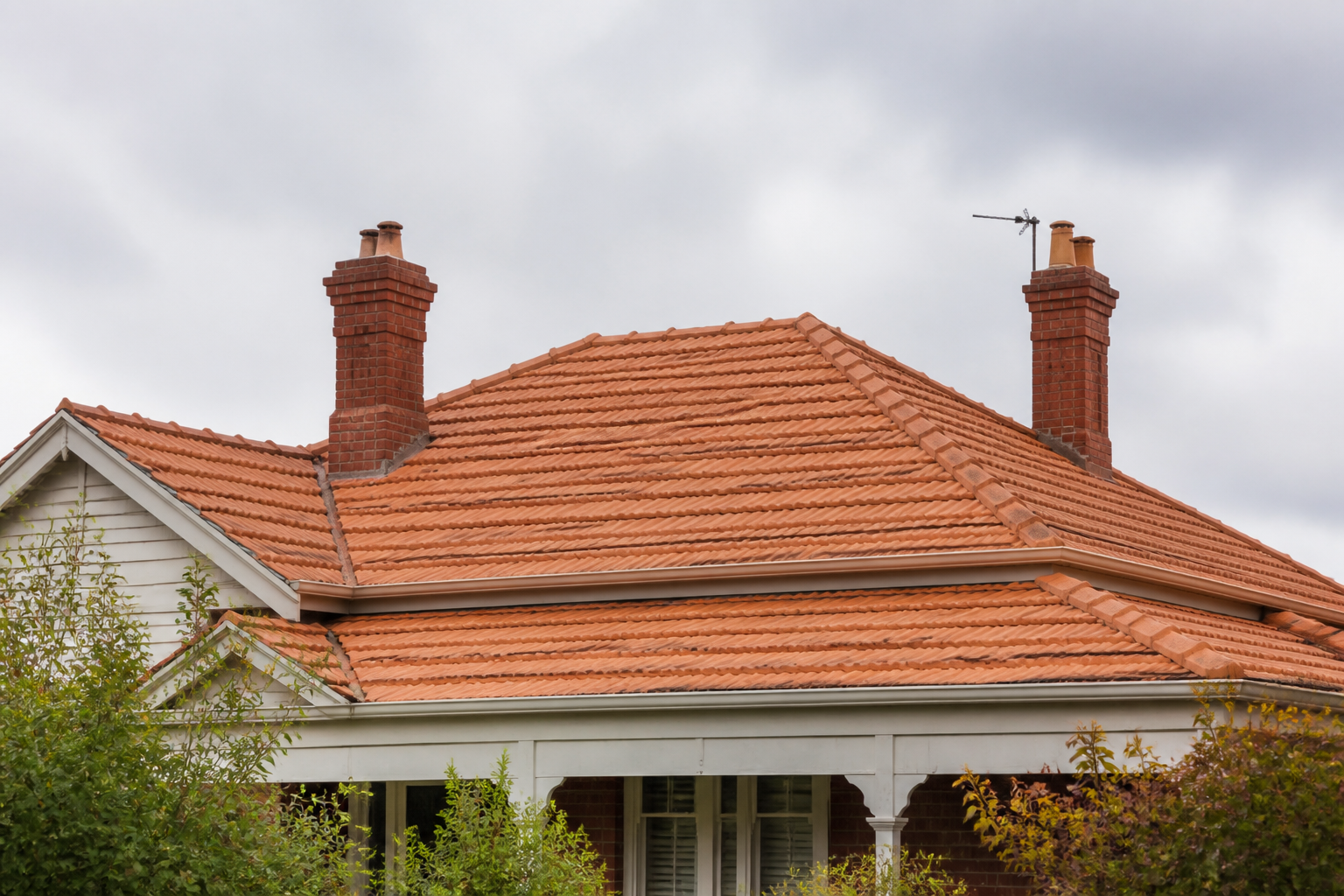
Illustrative example — soft-wash roof cleaning job type on terracotta (not a completed job photo) Example job type

Gentle soft wash on old terracotta

Before
Inner-north terracotta roof with black lichen and tired ridges — owners worried pressure cleaning would damage the old tiles.
After / organised outcome
Low-pressure soft wash and lichen treatment instead of blasting, careful foot placement, and a note that ridge pointing is the next job to plan.
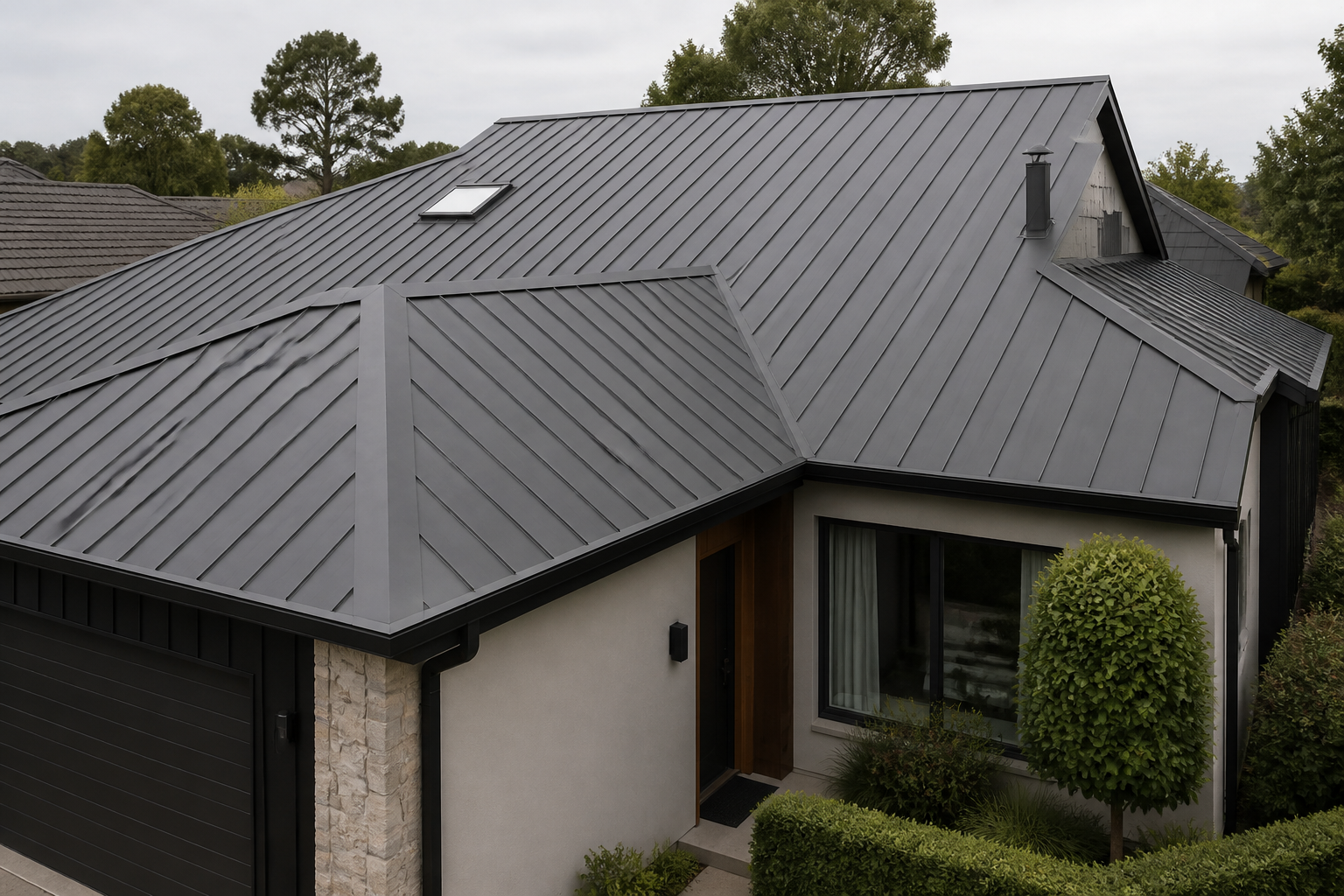
Illustrative example — Colorbond roof cleaning job type (not a completed job photo) Example job type

Bayside Colorbond® roof losing its finish

Before
Bayside metal roof gone dull and chalky, with salt and grime built up in sheltered areas under the eaves and around the solar array.
After / organised outcome
Low-pressure wash with a cleaner suited to coated steel, worked around the panels, plus an early flag on two laps showing surface rust.

Suburb callouts — roof cleaning

  • Ringwood — Damp outer-east blocks and big trees — moss grows fastest on shaded pitches here.
  • Doncaster — Hillside homes with steep, high roofs — height safety is a big part of the quote.
  • Box Hill — Older concrete-tile roofs where a clean also shows how worn the surface is.
  • Brunswick — Terracotta and tight terrace access — gentle methods and careful runoff control.
  • Brighton — Salt build-up on metal and fixings — regular washing helps slow corrosion.
  • Bentleigh — Terracotta and concrete-tile mix — the right method differs street to street.

Melbourne climate notes for roof cleaning

  • Cool, damp winters and shaded leafy streets are ideal for moss and lichen — south-facing pitches suffer most.
  • Book cleans for a dry spell; wet, mossy roofs are slippery and soft-wash treatments need time to work.
  • Autumn leaf drop washes into gutters — clear them after a roof clean so the next storm doesn’t overflow.
  • Stormwater runs to creeks and Port Phillip Bay, so cleaning products and debris shouldn’t go down the drain carelessly.

Cards and images above are illustrative roof cleaning job types for Melbourne suburbs — not photographs of completed Melbourne Roofers jobs. Method, products and inclusions are confirmed at quote.

Frequently asked questions

Is roof cleaning worth it on its own, or only before a restoration? ▾

It can be worth it on its own. If the tiles or sheets are sound and the problem is moss, lichen, leaf litter and grime, a clean improves drainage, stops moss lifting tiles, and makes the roof look years younger. If the clean shows porous, cracked or chalking tiles underneath, that is the point to talk about restoration instead — the clean is often the first step of one anyway.

Will pressure cleaning damage my tiles? ▾

It can if it is done badly. Too much pressure too close strips the surface off old concrete tiles and can blast the glaze or fine edges off terracotta, and careless walking cracks tiles. Older or fragile roofs are often better suited to a lower-pressure soft wash with a treatment that kills moss and lichen. The right method depends on the roof, which is why it should be chosen after seeing it.

How do you clean a Colorbond or metal roof? ▾

Metal roofs mostly need dirt, leaf, salt build-up and any mould removed gently — usually a low-pressure wash with a cleaner suited to coated steel, worked with the direction of the ribs. High pressure and harsh chemicals can damage the paint system and void manufacturer warranties, so the method matters as much as the result. Bayside metal roofs benefit from regular rinsing because salt left in unwashed areas speeds up corrosion.

Where does the dirty water and moss go? ▾

Runoff from roof cleaning heads straight for your gutters and downpipes, and from there to the stormwater system, which in Melbourne flows to creeks and the bay. A careful clean protects downpipes from blockage, clears the gutters at the end, and avoids sending harsh chemicals into stormwater. Ask about the cleaning product and how runoff and debris are handled at quote time.

How often does a Melbourne roof need cleaning? ▾

It depends on shade, trees and exposure. South-facing pitches, homes under gums or plane trees in the leafy east, and damp outer-east suburbs grow moss and lichen fastest and may need a clean every few years. Open, sunny roofs in the west or newer estates often stay clean for much longer. A treatment after cleaning can slow regrowth.

Can you clean around solar panels? ▾

The roof around solar panels can usually be cleaned, but the panels themselves need care — the wrong pressure or chemicals can damage them or affect the warranty, and the cabling and mounting rails need protecting. Mention solar panels, skylights or roof-mounted air conditioning on your enquiry so the scope and access are planned around them.

Can an old fibro or asbestos cement roof be pressure cleaned? ▾

No. Corrugated fibro roofs on many pre-1990 Melbourne homes, sheds and carports may contain asbestos, and Victorian safety rules restrict using high-pressure water on asbestos because it can release fibres. If you are not sure what your roof is made of, send a photo with the enquiry. The usual options are leaving it undisturbed, sealing by someone qualified to do so, or replacement under the asbestos removal rules.

Should my rainwater tank be disconnected before a roof clean? ▾

Yes. Disconnect or divert the tank inlet before the clean so moss, grit and any treatment go to stormwater rather than into your tank, and only reconnect once a good rain has rinsed the roof. Empty first-flush and leaf diverters afterwards too. Mention the tank on your enquiry so it is planned into the job.

How long after a moss treatment does the roof look clean? ▾

Moss usually comes away on the day it is washed, but lichen and staining treated with a soft wash often fade over the following weeks as rain rinses the dead growth away. That gradual result is normal and is gentler on old tiles than blasting the lichen off. Ask at quote time what finish to expect on the day and over the following weeks.

How far ahead of a sale or auction should the roof be cleaned? ▾

If the roof is mostly moss and grime, a clean shows its result on the day, so a week or two before the photographer is fine. If there is heavy lichen and a soft wash is used, the dead growth fades over the following weeks as rain rinses it, so booking a few weeks before photos works better. Leave time to fix anything the clean uncovers, such as cracked ridge bedding or broken tiles, before a buyer’s inspection.

Is household bleach or a hired pressure washer safe for cleaning my own roof? ▾

Usually not. Chlorine bleach can damage Colorbond and Zincalume finishes, corrode gutters and fixings, kill plants under the eaves and run into stormwater, and a hire-shop washer held too close can strip tile surfaces and force water under laps and flashings. A wet, mossy roof is also very slippery. The safer homeowner jobs are ground-level: photos, watching gutters in heavy rain and arranging pruning.

Our street is still being built — is it worth cleaning the roof now? ▾

In new estates, neighbouring construction keeps adding cement, brick-cutting and plaster dust to roofs and gutters. If the dust is only cosmetic, waiting until the main building phase in your street finishes avoids paying for the same clean twice. If it is building up in Colorbond ribs or blocking gutters and outlets, a gentle wash and gutter clear now is worthwhile. Send a photo and we can help you judge it.

What should I send when I enquire about roof cleaning? ▾

Your suburb, whether the roof is tile or metal, single or double storey, and roughly how bad the moss, lichen or staining is. A couple of photos from the ground or an upstairs window help a lot. Call 0485 008 178 or use the form and we’ll organise a quote with our roofing partner.

Call 0485 008 178