What a Melbourne roof inspection should cover
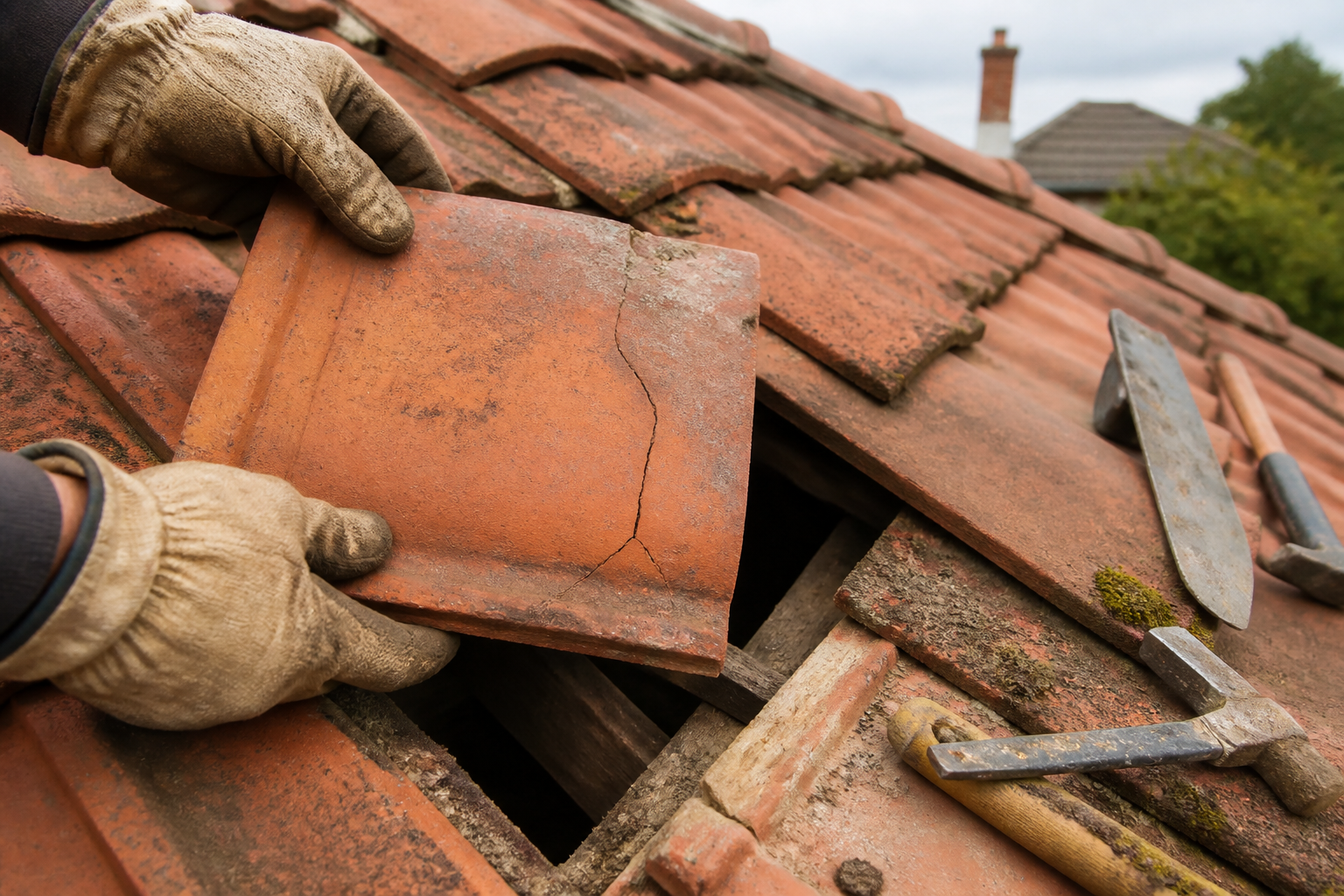
A useful roof inspection Melbourne homeowners can act on goes further than a look from the driveway. It should cover the roof covering itself — cracked, slipped or porous tiles, or rusted sheets and backed-out screws on metal — plus ridge bedding and pointing, valleys, flashings at chimneys, skylights and walls, eaves and box gutters, downpipes, and the roof space where it’s safe to get in.
Inside the roof space is where a lot of the story is. Daylight through the tiles, tide marks on timbers, sagging battens, torn sarking and damp insulation all point at problems that can’t be seen from outside. A good inspection photographs both sides, so you can see what the inspector saw.
The output should be simple: what’s fine, what to watch, and what needs work now. If water is already coming through the ceiling, that’s a repair call rather than a general inspection — head to roof repairs Melbourne so it’s triaged as urgent.
Pre-purchase roof inspections — before the cooling-off period runs out
A general building inspection is a great start, but it usually views the roof from a ladder or the ground. When the report says the roof “requires further investigation”, that’s your cue for a pre-purchase roof inspection. It turns a vague warning into an actual scope: a few tiles and some pointing, a box gutter re-line, or a roof that’s near the end of its life.
That matters in Melbourne’s older suburbs. A 1920s terracotta roof in the inner north, a 1960s concrete-tile roof in the middle-ring east, and a Victorian terrace with a hidden box gutter behind the parapet all carry different, very real costs. Knowing which one you’re buying changes what a fair offer looks like. Tell us your auction date or cooling-off deadline when you enquire so the timing is planned around it.
After a storm or hail — inspecting before you claim
Melbourne’s spring fronts, summer thunderstorms and the occasional hail event do damage that isn’t always visible straight away. Cracked tiles, lifted ridge caps and dented or loosened metal sheets often only start letting water in at the next downpour. A storm damage roof inspection documents what changed while the evidence is fresh.
The inspection can produce photos and a written scope to pass to your insurer. Whether it’s covered is up to your insurer and policy, not us. Take your own dated photos first, don’t climb onto a wet roof, and keep any temporary-repair invoice. If there’s an active leak, ask for urgent attendance — we’ll treat it as a repair rather than a routine inspection.
Tile, terracotta and metal — what inspectors look for on each
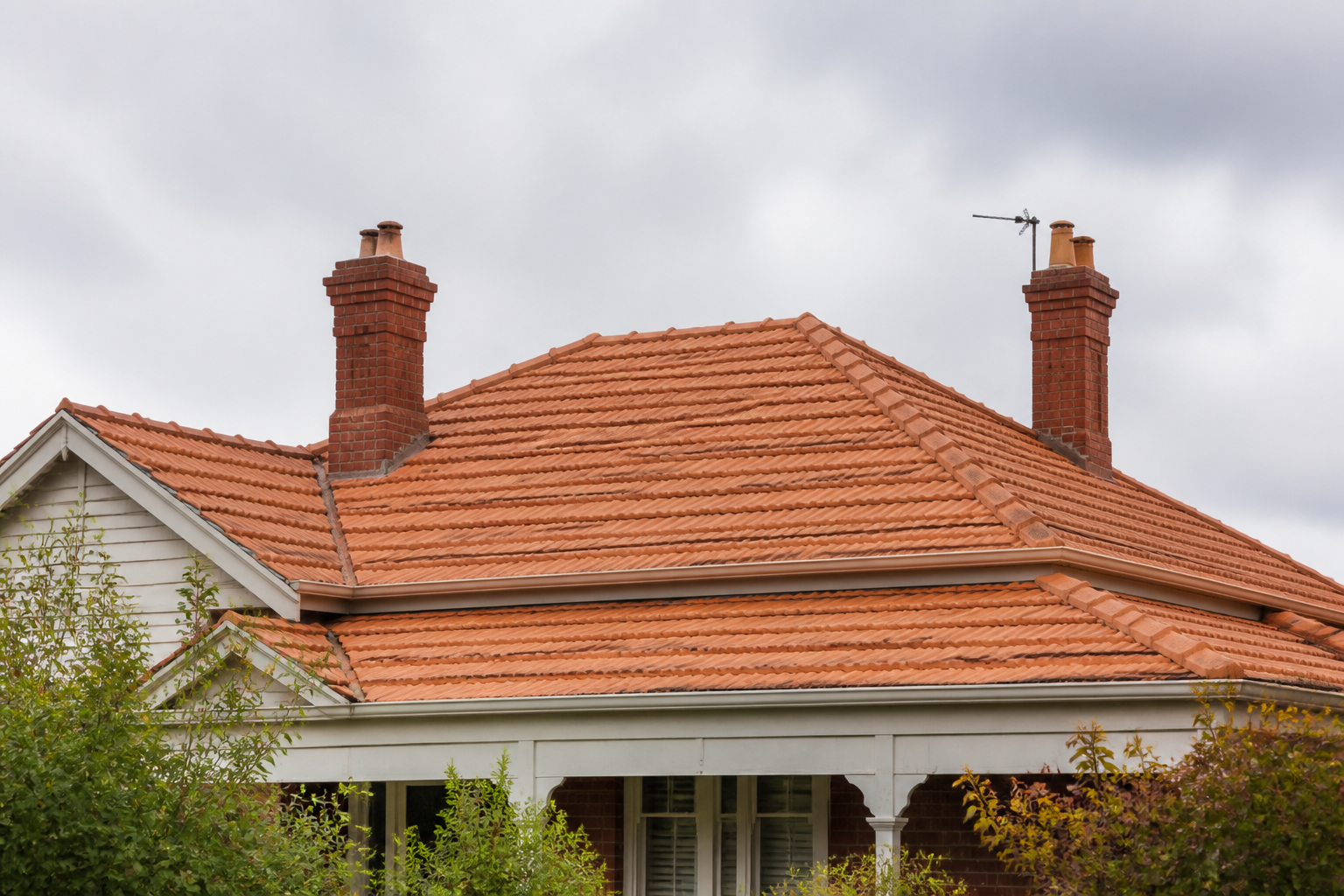
Terracotta tile roofs, common across Brunswick, Coburg, Bentleigh and older bayside streets, mostly fail at the ridges: bedding cracks, pointing comes away and caps rock loose. The tiles themselves often last for generations, so the inspection should separate a ridge job from a whole-roof problem.
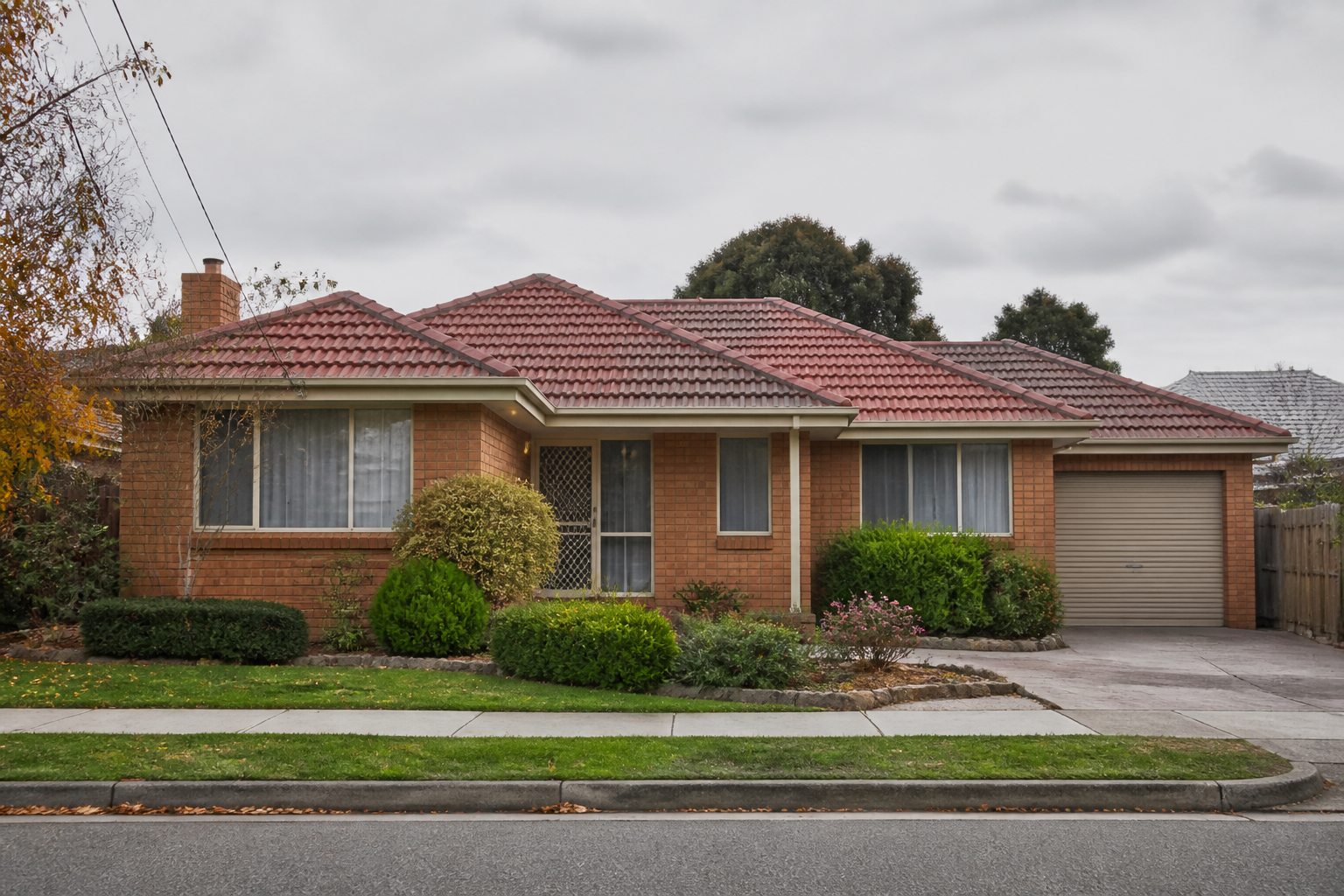
Concrete tile roofs from the 1960s–80s, all through the east and south-east, lose their surface coating and become porous. Look for chalky, mossy tiles, lichen on shaded faces and cracking where people have walked. That’s where the restore-or-replace question comes up, and a clear inspection saves you paying for a coating a roof can’t use.
Metal and Colorbond® roofs need a different eye: rust at laps and cut edges, screws backing out on hot west-facing pitches, failed washers, loose ridge capping and corrosion near the bay. Our guide to metal roofing Melbourne covers when sheet replacement makes more sense than chasing individual fixings.
Routine maintenance inspections — catching it before winter
Most Melbourne roofs don’t fail suddenly. They wear: leaf fills a valley, a flashing lifts, a few tiles slip, and nobody notices until a wet June. A roof maintenance inspection every couple of years, or yearly on older tile roofs and leafy blocks, picks those up while they’re small and cheap.
Late autumn is a good time, after the leaf drop in the eastern suburbs and before the cold fronts. If the inspection finds the gutters are the main issue, gutter cleaning Melbourne is usually the quick win. If the roof surface is covered in moss and lichen, roof cleaning Melbourne may be the next step.
From inspection to recommendation — leave, repair, restore or replace
A good inspection ends with one clear answer, not a menu of upsells. Very often it’s “leave it, check again in two years”. Sometimes it’s a targeted repair, a gutter or roof plumbing fix, a full roof restoration where tiles are sound but tired, or a roof replacement when the roof has genuinely reached the end of its life.
You’ll see the photos behind the recommendation and get a quote for anything that needs doing, with no obligation to go ahead. Call 0485 008 178 with your suburb, roof type and the reason for the inspection. We aim to call back the same business day — usually within a few hours.

 Example job type