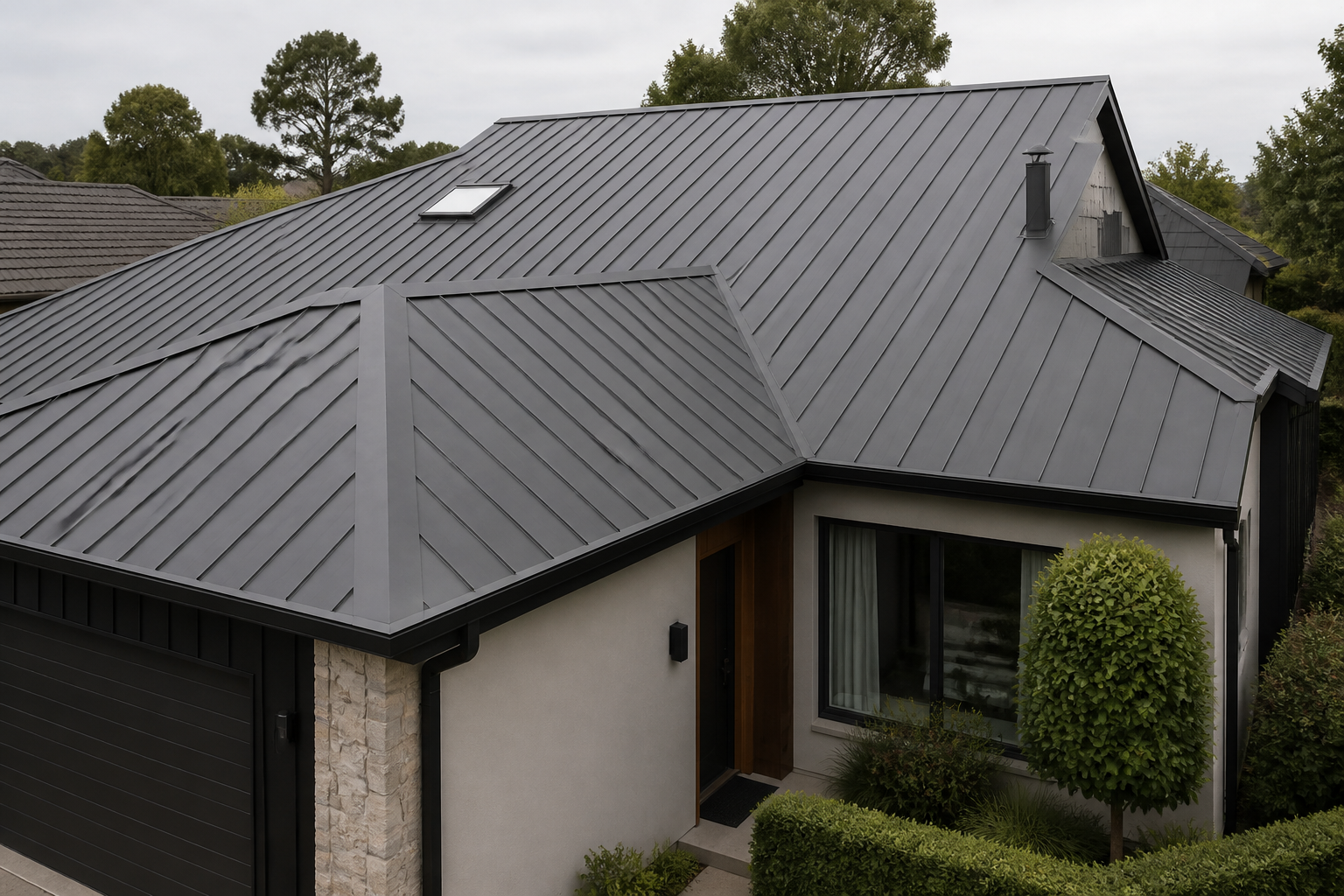
Bushfire-prone blocks: guard as part of ember defence
On the bush fringe — the Dandenong and Yarra Ranges foothills, Warrandyte, Eltham, Research, Hurstbridge, the Mornington Peninsula hinterland and parts of the growth-area edge — gutters are one of the places embers land during a fire. Dry leaf sitting in a gutter is fuel right at the roof edge. Keeping it out is one of the practical reasons to fit guard here, alongside clearing gutters and valleys before summer.
Homes in Victoria’s bushfire-prone areas are built to the national bushfire construction standard according to their Bushfire Attack Level (BAL). In general terms, where gutter and valley guards are fitted to a home with a BAL rating, they are expected to be non-combustible, which in practice means metal mesh rather than plastic. Homes in a Bushfire Management Overlay may also have permit conditions that cover the roof edge. Treat this as general guidance; your building surveyor or council can confirm exactly what applies to your property, so have your BAL or permit documents on hand when you enquire.
Two practical points: guard doesn’t replace a pre-summer check, because fine litter still collects on top of the mesh and in valleys; and gaps at the roof edge, under ridge caps and around eaves matter as much as the gutter itself. A good scope looks at the whole edge, not just the mesh.
Rainwater tanks, first-flush diverters and cleaner water
A lot of Melbourne homes added tanks during the long drought and still use them for gardens, toilets and laundries. Guard helps here by keeping whole leaves out of the gutter, which means less organic matter breaking down and washing into the tank. It works best as part of a set: guard on the gutters, a leaf-shedding rainhead or screened inlet on the downpipe, and a first-flush diverter that sends the dirtiest first rain away from the tank.
If any tank water is used for drinking, guard is not a substitute for the maintenance the state health guidance recommends. And because the tank connection is part of the roof drainage, it should be reconnected properly if downpipes are touched during the job — not left loose. Mention the tank on your enquiry so it’s part of the scope.
Solar panels, birds and possums
Solar panels near the eaves change the job. They can limit where the installer can stand and reach, and leaves that collect under panels end up in the gutter beneath them. Ask how the guard will be fitted around the panel area. Keeping birds out from under the panels themselves is a different product — panel bird-proofing mesh — and should be quoted separately if you need it.
Firmly fixed metal mesh stops birds such as mynas and sparrows from nesting in the gutter line and can stop possums using the gutter as a path along the roof edge. It does not seal the roof cavity, though. Possums usually get in through broken eaves, lifted ridge caps or gaps at the fascia, so if you hear movement in the ceiling, raise it on the enquiry and ask for entry points to be checked. Possums are protected wildlife in Victoria, so any removal needs to follow the state’s wildlife rules.
Coastal suburbs and salt air
Bayside and western suburbs close to Port Phillip — Williamstown, Altona, Brighton, Sandringham, Mentone, Mordialloc and parts of Point Cook — get salt-laden air that is hard on metal. Mesh, trims and fixings that last well inland can show corrosion sooner here. Stainless steel mesh, coastal-rated coatings and compatible fixings are worth discussing, and the same thinking applies to the gutters underneath. If your gutters are already rusting along the base, start with gutter replacement Melbourne rather than covering them.
Living with gutter guard: maintenance that still matters
Guarded gutters need less work, not none. A realistic routine for most Melbourne homes looks like this:
- After the main autumn leaf drop, check the guard from the ground or a ladder for matted leaf, especially on low-pitch sections and in valleys.
- Before winter rain, make sure downpipe outlets and rainheads are clear — guard doesn’t stop silt reaching the outlet.
- Before summer on bushfire-prone blocks, clear any litter sitting on top of the mesh and in valleys.
- Every few years, depending on your trees, have the mesh lifted and the gutter flushed of the fine sludge that builds up underneath.
Signs the guard isn’t coping: water spilling over the front of the gutter in moderate rain, a mat of leaf or needles sitting on the mesh, mesh lifting at the tile edge after wind, or moss and seedlings growing out of the gutter line. Any of those is worth a call before it turns into a leak — see roof repairs Melbourne if water is already getting inside.
Gutter guard cost in Melbourne — what moves the price
We don’t publish made-up per-metre prices. The things that actually drive the quote are:
- Total length of gutter, and whether valleys and box gutters are included
- Single or double storey, roof pitch and how easy the block is to access
- Roof type — tile, metal or slate — and how much care the edge needs
- Mesh material, aperture and colour, especially coastal or bushfire-rated choices
- Whether the gutters need cleaning, repair or replacement first
- Solar panels, tanks or other fixtures along the roof edge
Doing guard at the same time as a gutter replacement, roof restoration or re-roof usually saves on access and keeps the edge detailing consistent. Call 0485 008 178 with your suburb, storeys, roof type and a few photos. We aim to call back the same business day — usually within a few hours.
Questions worth asking before you go ahead
- Will the gutters be cleaned and checked before the guard goes on?
- Which mesh material and aperture are you recommending for my trees, and why?
- How will it be fixed to my roof, and does that suit the roof maker’s guidance?
- How are valleys, corners and downpipe outlets handled?
- If I have a BAL rating, does this product and fixing suit it?
- What maintenance will it still need, and how is it cleaned underneath later?

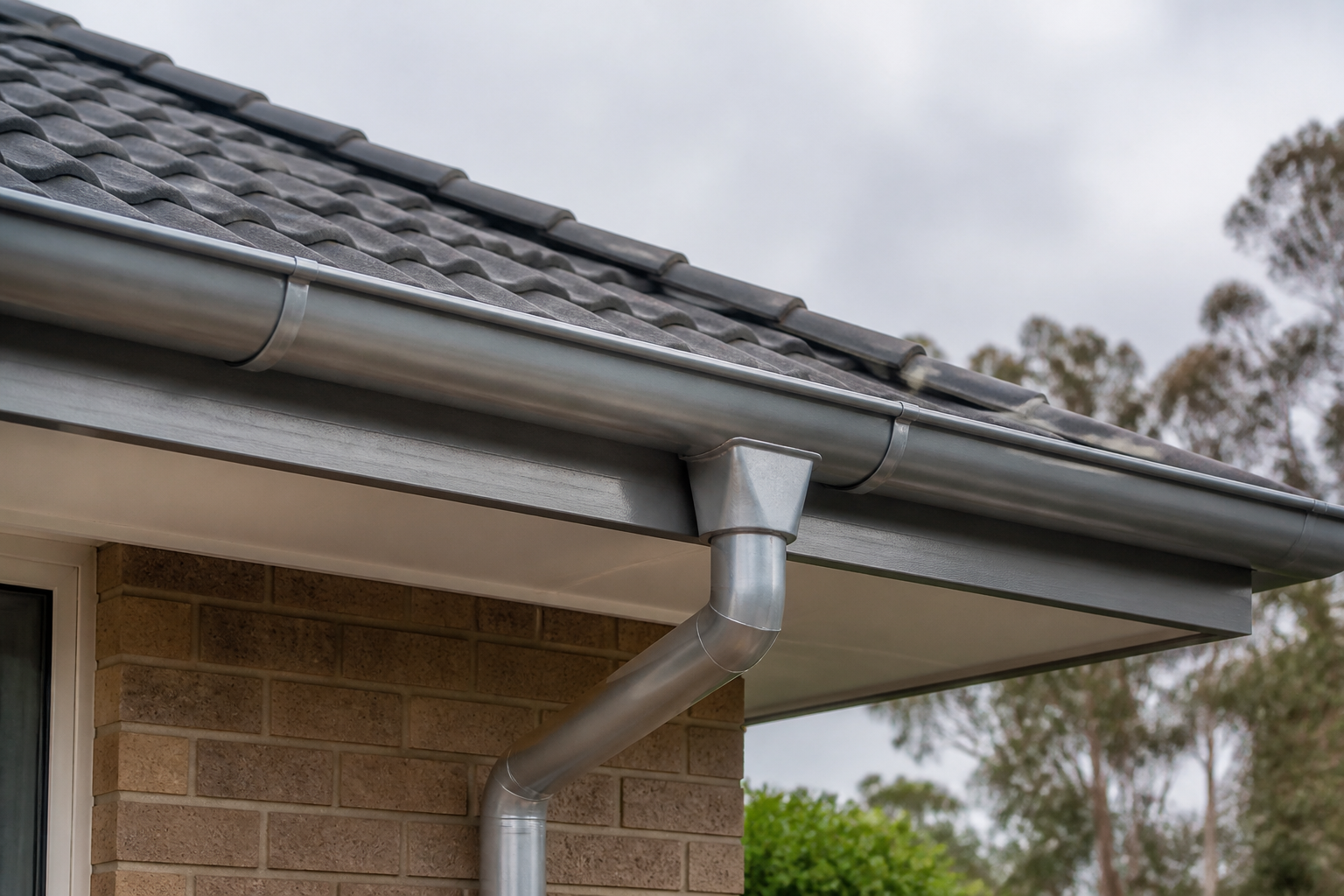 Example job type